Learning at StAC
Te Ako ki StAC
At St Andrew’s College, learning is about more than covering content. It is about helping students understand how to think, how to improve, and how to approach challenge with confidence. From the earliest years onwards, students are taught by teachers who combine strong subject knowledge with a clear understanding of how learning happens. The result is a school culture where curiosity is encouraged, progress matters, and students grow as thoughtful, capable learners.
Learning that teaches students how to think
A strong education does more than help students accumulate knowledge. It helps them understand how to question, analyse, practice, improve, and apply what they know with confidence.
At St Andrew’s, students are taught not only the content of a subject, but also how to approach learning well. They are encouraged to think carefully, manage themselves, respond to feedback, and take increasing ownership of their progress as they move through the College.

Strong foundations from the early years onwards
Learning at St Andrew’s develops over time. In the Preparatory School, students build strong foundations in literacy, numeracy, curiosity, and learning habits, supported by close teacher connection and a student-centred approach. As they move into the Secondary School, those foundations are extended through increasing independence, deeper subject learning, and broader academic challenge.
This progression matters because it allows students to grow steadily, with each stage building on the confidence, skills, and habits established in the one before it.
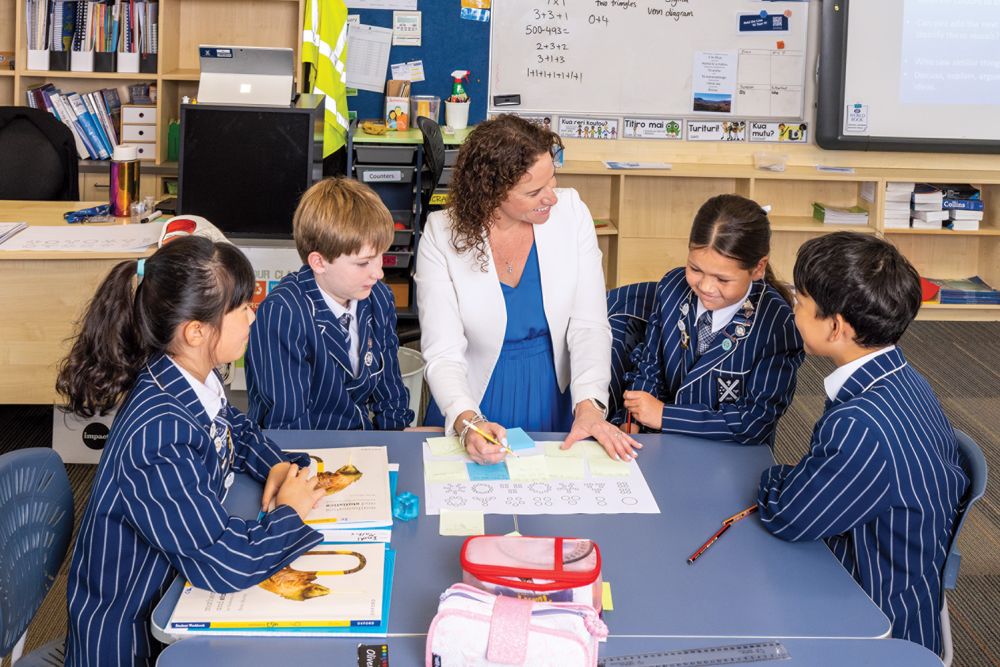


Teaching that combines challenge and support
Students make the strongest progress when teaching is both challenging and responsive. At St Andrew’s, teachers set high expectations, explain clearly, and create classrooms where students feel able to ask questions, test ideas, and keep improving.
That balance matters. Learning is most effective when students are stretched but also supported to understand what to do next. At St Andrew’s, good teaching is not only about expertise, but about helping students build confidence through purposeful challenge.

Support and extension for different learners
Students do not all learn in the same way or at the same pace. At St Andrew’s, teaching is responsive to the learner in front of it, with support for students who need help consolidating understanding and extension for those ready for greater challenge.
This includes targeted Learning Support and Extension programmes designed to help students build strong foundations, accelerate progress where needed, and continue growing with confidence. The goal is not to lower expectations or rush ahead unnecessarily, but to help each learner move forward in a way that is purposeful, well supported, and appropriately challenging.

Evidence-informed practice, used well
At St Andrew’s, teaching is informed by a growing understanding of how students learn best. Research matters, but so does the skill of applying it well in real classrooms, with real students, across different stages of development.
That commitment to thoughtful practice helps create learning environments that are clear, engaging, and purposeful. It also supports a culture where teaching continues to improve, and student progress is taken seriously.

Learning with purpose and relevance
Students engage more deeply when their learning feels connected and worthwhile. At St Andrew’s, teachers work to make learning meaningful, helping students see why it matters, where it connects, and how it can be applied beyond the immediacy of a task or lesson.
That sense of relevance strengthens motivation and helps students see themselves not just as school learners, but as young people developing knowledge, judgement, and capability for the wider world.

Growing increasingly independent learners
One of the aims of learning at St Andrew’s is to help students become more deliberate, more self-managing, and more confident in how they approach challenge. As they move through the College, they are expected to take increasing responsibility for their learning while still benefiting from the structure and support around them.
That growing independence matters. It helps students move beyond simply completing tasks and towards understanding how to think clearly, work well, and keep improving over time.
Learning with technology, guided well
Technology is part of how students learn, create, and communicate at St Andrew’s, but it is used with purpose. Students are encouraged to engage with digital tools in ways that strengthen collaboration, creativity, and deeper learning, rather than simply increasing screen time.
The College also takes digital literacy and cyber safety seriously. Through learning programmes, school-wide guidance, and resources such as Safe on Social, students and families are supported to navigate technology well and build the judgement needed for a connected world.

Challenge and extension for students ready for more
At St Andrew’s, students with strong academic curiosity and capability are encouraged to go further. Extension opportunities are available across the College, allowing students to deepen their learning, pursue areas of special interest, and engage with greater challenge.
For older students, the Academic Extension and Enrichment (ACEE) programme provides mentoring, Scholarship preparation, extension subjects, and access to a wide range of academic competitions, clubs, and enrichment opportunities for gifted and talented learners.

Meet some of our inspiring educators behind learning at St Andrew’s

Matt Parr
Director of Boarding
The Boarding Advantage is the ability to teach more than just a subject. It’s the ability to teach life skills, socialisation, interpersonal skills, and communication. Director of Boarding, Matt Parr, discusses our boarding community, connections with students and staff, and the benefits of being a boarder at St Andrew’s College.

Kerry Larby
Head of Well-being
At St Andrew’s College, we believe building character is just as important as developing intellect. Head of Well-being, Kerry Larby, discusses how students at St Andrew’s are supported to flourish, be who they are, and feel a sense of purpose and belonging, in a safe, engaging learning environment.

Wilj Dekkers
E-Learning and Innovation Teacher
In a world where technology continues to be a force for change, students at St Andrew’s College are being prepared to control and create future technology, rather than simply being users of it.E-Learning and Innovation Teacher, Wilj Dekkers, discusses the ways in which students are learning to collaborate, share ideas, and work in teams, to create exciting digital products.

Helaina Coote
Assistant Principal of Secondary School (Academic)
Assistant Principal of Secondary School, Helaina Coote, explains how St Andrew’s College is harnessing the increasing body of research into what makes teaching and learning effective. With a diverse curriculum and programmes, and excellent support systems in place, students at St Andrew’s are able to maximise their learning potential, while maintaining a sense of belonging and purpose.

Duncan Ferguson
Head of Music
The Music Department at St Andrew’s College supports the interests of all young musicians, with all genres equally respected and resourced. Head of Music, Duncan Ferguson, discusses how individual programmes, state-of-the-art music suites and recording studio, and the use of exciting technologies and innovative teaching programmes at St Andrew’s, helps students to reach their full potential.
Rev. Paul Morrow
College Chaplain
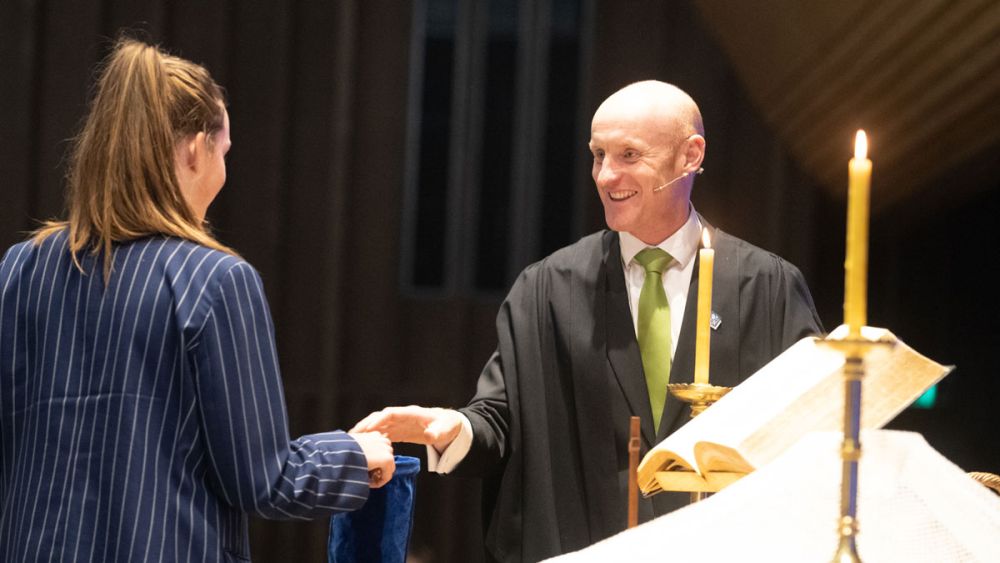
We want our students to leave the College open minded, free thinking, and consider diverse views. College Chaplain, Rev. Paul Morrow, discusses how St Andrew’s College’s Presbyterian Christian heritage, our values of truth, excellence, faith, creativity and inclusivity, our pastoral care and our community service opportunities, all support our students to develop an understanding and care for their community, and the greater world around them.

Kelly McBride
Head of Learning Enrichment (Preparatory School)
Learning Enrichment is a key part of the programme in the St Andrew’s College Preparatory School, which provides students with opportunities outside the normal curriculum to find their creative talents and passions. Head of Learning Enrichment, Kelly McBride, discusses how students are encouraged and supported to give new things a try, in a fun environment where they feel confident, secure and happy.