Middle School
Kura Waenga
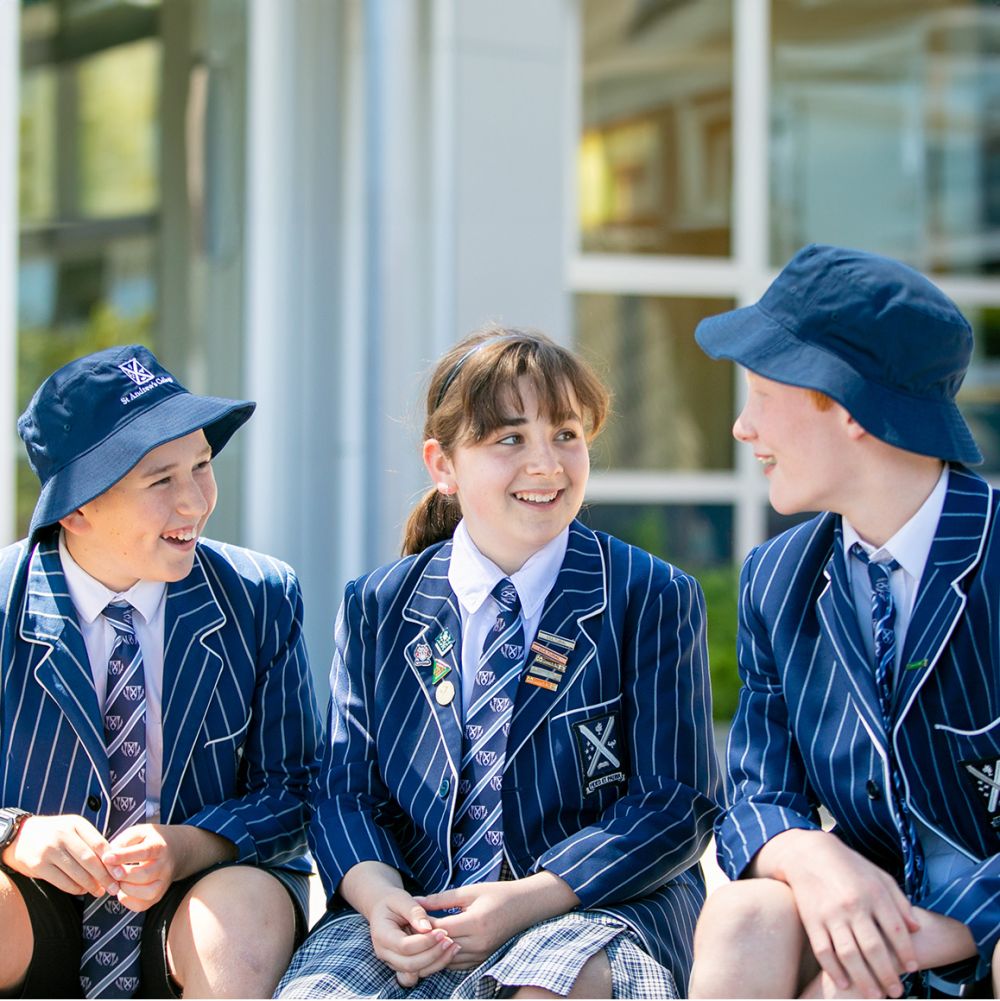
The Middle School at St Andrew’s College supports Year 9–11 students through an important stage of academic, social, and personal growth. Students are encouraged to build independence, develop confidence in their learning, explore new interests, and prepare well for the increasing choice and responsibility of the senior years.
Why choose St Andrew’s Middle School
The Middle School years are a time of significant change. Students are moving through adolescence, forming stronger identities, developing new friendships, and beginning to take greater ownership of their learning and choices. At St Andrew’s, they do this within a supportive co-educational environment where expectations are clear, relationships matter, and each student is encouraged to contribute positively.
Academic learning remains central, with strong grounding in core subjects, widening options, and preparation for NCEA in Year 11. Alongside this, students are supported to develop organisation, self-discipline, social responsibility, resilience, and the confidence to take the next step into Senior School.
Our Leadership Team
Our Middle School leadership team works closely with students, families, tutors, and teachers to support learning, well-being, and positive engagement across Years 9–11. The team provides clear year-level guidance and helps students settle, grow, and prepare for the next stage of their education.

Dayna Stirling
Head of Middle School

Liz Gormack
Assistant Head of Middle School, Thompson House Manager
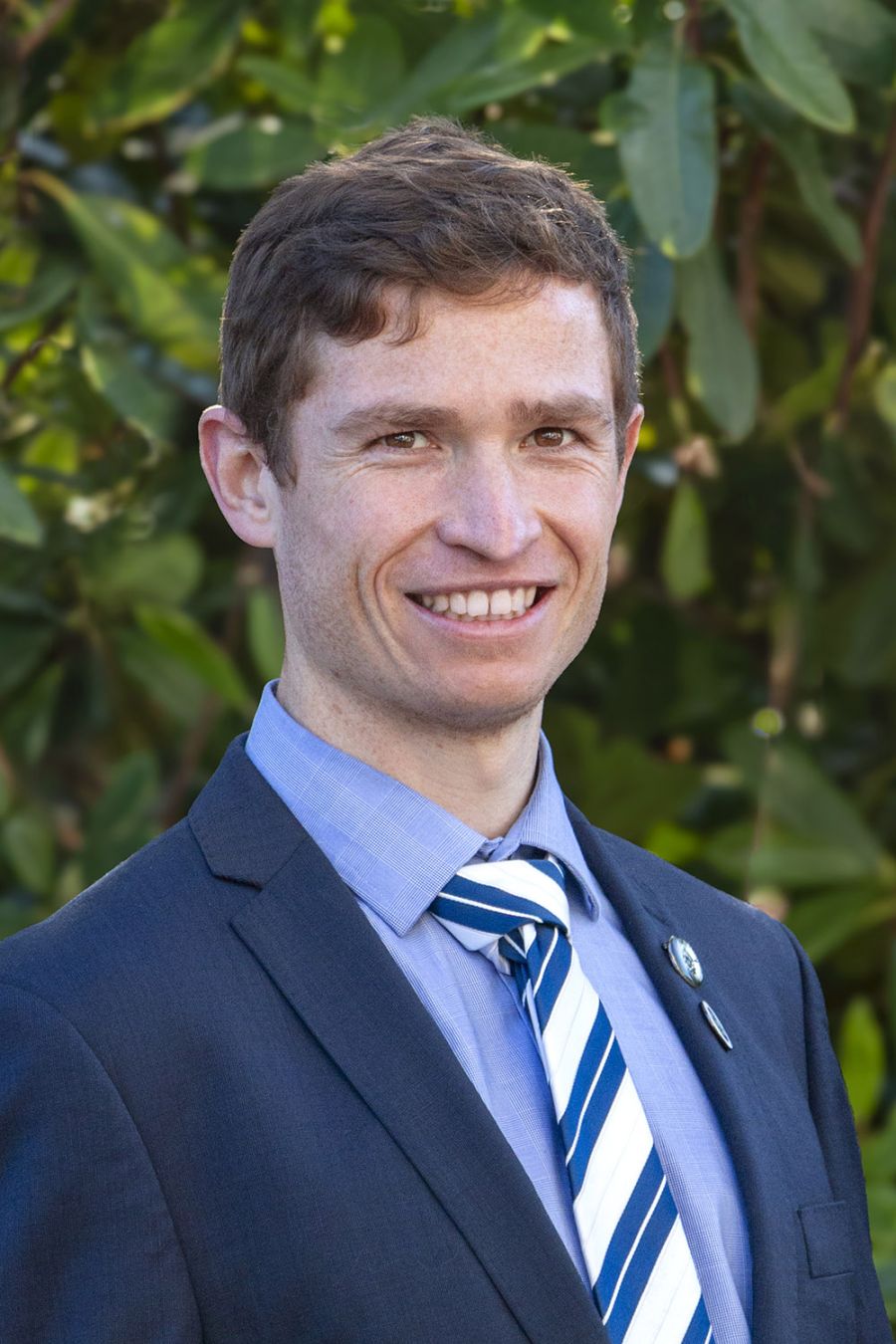
Liam Smith
Year 9 Dean

Jo Bigford-Fleming
Year 9 Assistant Dean
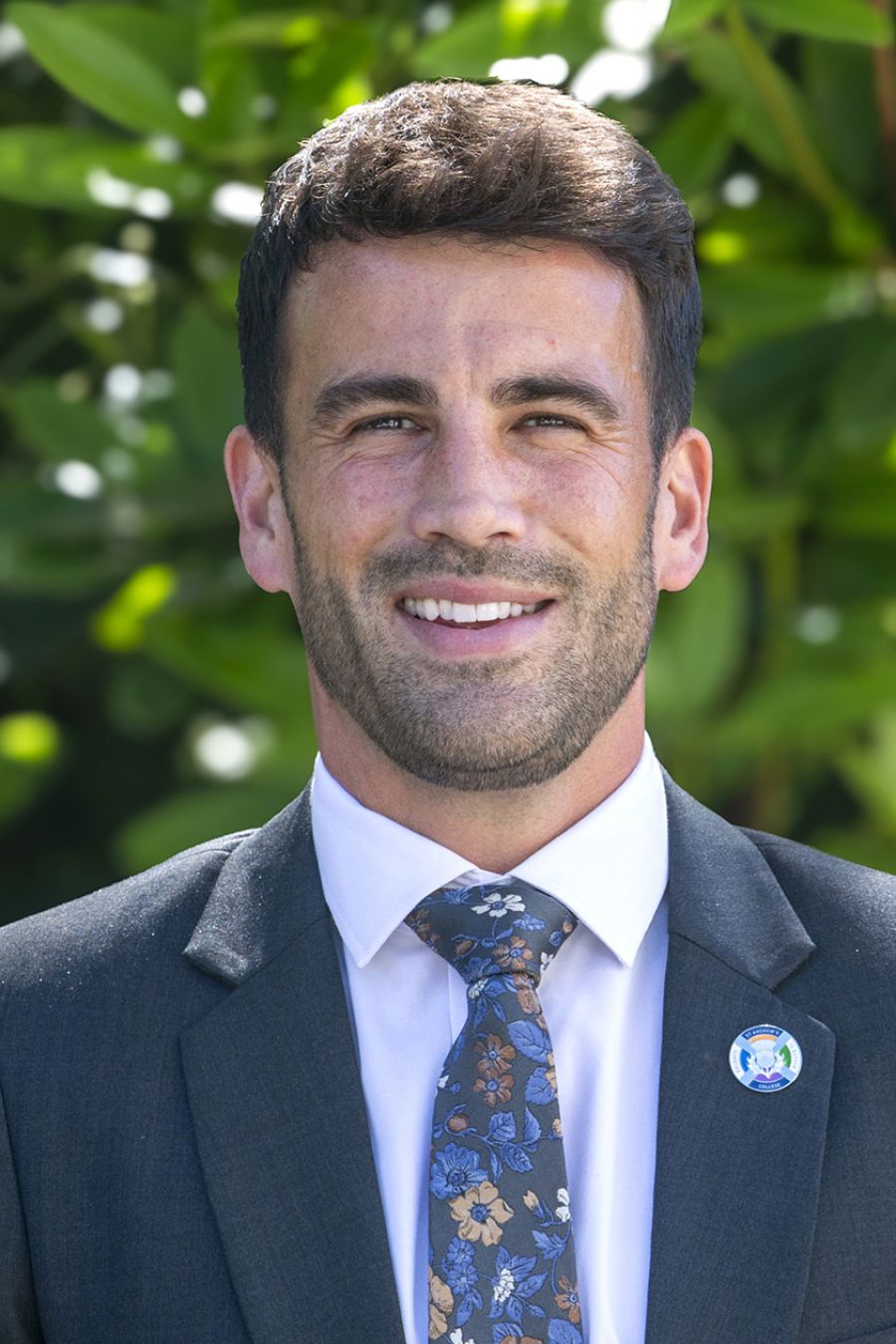
Daniel O'Reilly
Year 10 Dean

Kate Taylor
Year 10 Assistant Dean

James Jenkinson
Year 11 Dean

Ellie Simatos
Year 11 Assistant Dean


Joining the Middle School
The Middle School begins at Year 9, providing a supportive entry point into the Secondary School. New students are welcomed into a co-educational environment where they can pursue academic, cultural, sporting, and service opportunities while developing confidence and connection.
A strong peer support programme helps Year 9 students feel welcome, comfortable, and safe from their first day on campus. St Andrew’s also welcomes new Year 11 students, many of whom are drawn to the College’s Options programme and the breadth of subjects available for their first year of NCEA.

Developing lifelong learners
Years 9–11 are an important time for students to strengthen their learning habits, grow in independence, and develop the skills and values needed for the years ahead. At St Andrew’s, students are encouraged to take responsibility for their learning, manage themselves well, and build confidence both inside and outside the classroom.
Students are supported to grow across academics, co-curricular involvement, spirituality, and social development. Whatever their current strengths or abilities, they are valued, challenged, and encouraged to develop resilience, dedication, and a positive approach to learning.

Tutor group system
Tutors play a central role in Middle School life. They act as a key point of care for students in their group, overseeing academic progress, co-curricular involvement, and well-being, while also maintaining a strong connection with parents.
The tutor system is built around regular contact, small group connection, and a sense of belonging. It helps ensure students are known by a caring adult, supported through the everyday demands of school life, and encouraged to make the most of their opportunities.

Well-being and pastoral care
Pastoral care in the Middle School supports students academically, socially, emotionally, and spiritually. It helps young people build self-esteem, develop social skills, manage responsibilities, and feel connected within the school community.
The system is designed to connect each student with supportive adults, promote well-being, and help students grow with confidence through the important adolescent years.
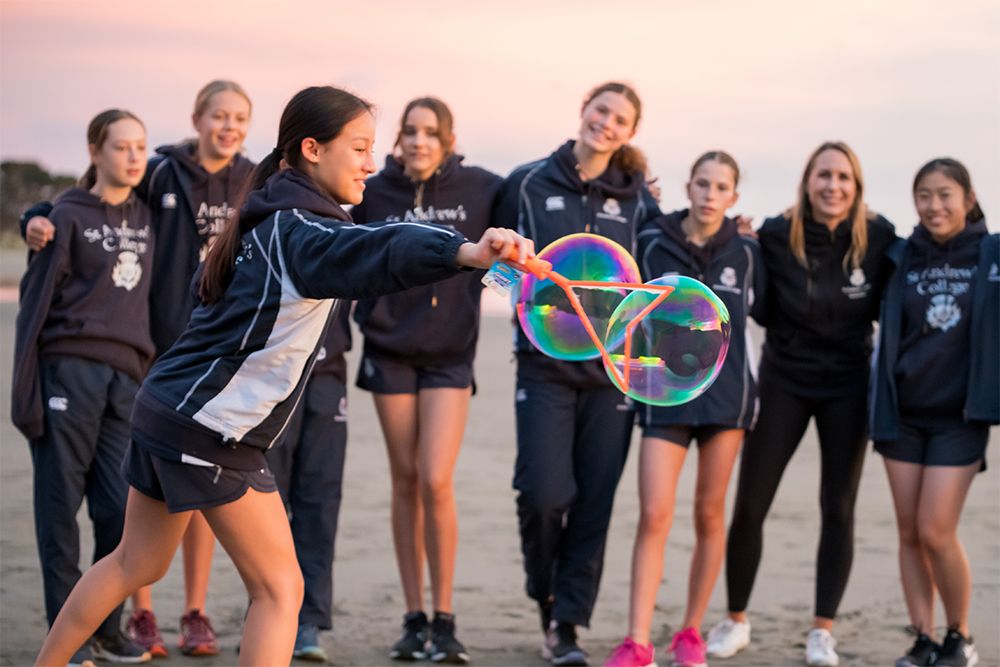
Te Waka programme
Te Waka is a distinctive Year 10 programme at St Andrew’s, bringing together The Rite Journey, Health Education, Duke of Edinburgh’s Hillary Award, and Outdoor Education. It supports students at a significant stage of adolescence, helping them develop responsibility, self-awareness, resilience, and stronger relationships.
At the centre of Te Waka is The Rite Journey, which reimagines the traditional rite of passage through reflection, discussion, and ceremony. Students work in Te Waka groups, with dedicated time and trusted teachers helping them explore identity, responsibility, and what it means to grow into young adulthood.
Te Waka in Year 10 also lays the foundation for continued personal growth, with students later revisiting key themes in the Year 13 Te Waka programme. Supported by senior student mentors, Year 10 students begin a journey of self-discovery that continues throughout their time at St Andrew’s.
The Middle School curriculum
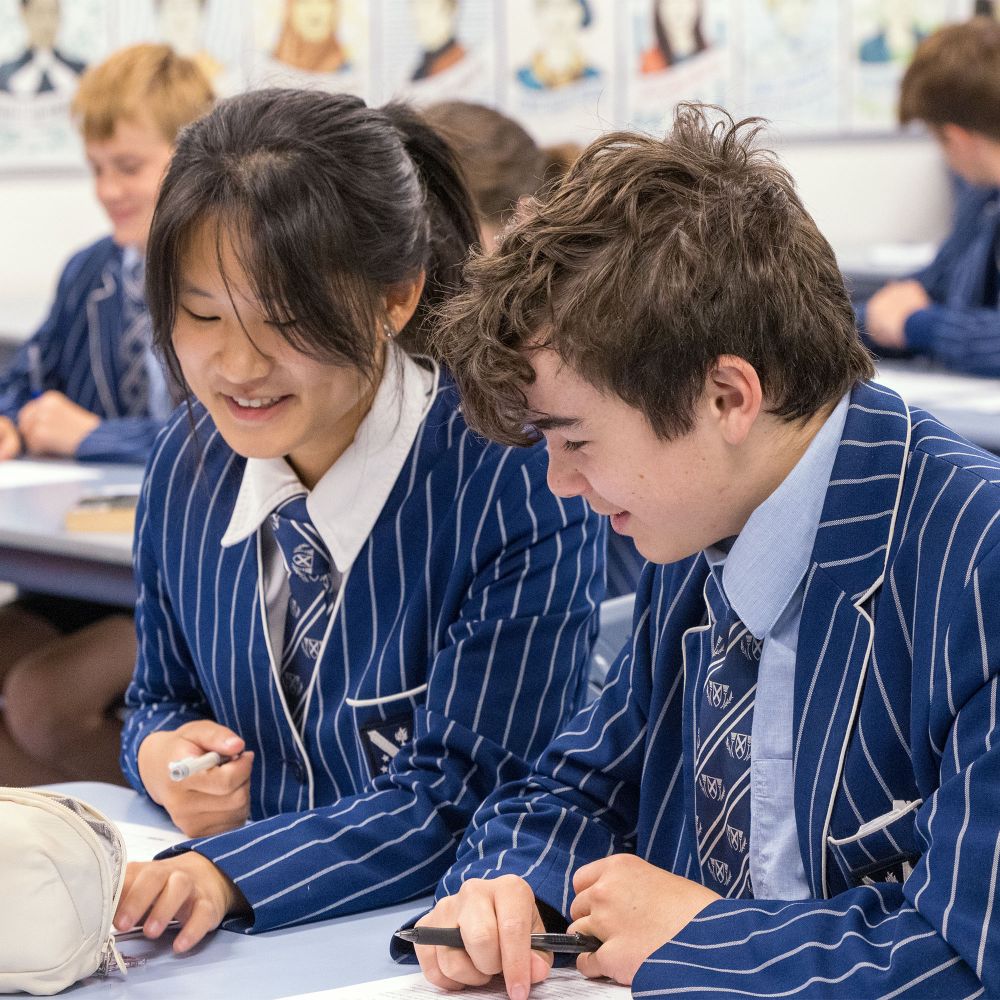
The Middle School curriculum gives students a strong grounding in core subjects while allowing them to explore a wider range of curriculum areas with specialist teachers. Across Years 9–11, students develop the knowledge, skills, and learning habits they need for NCEA and for the senior pathways that follow.
High achievement is encouraged at every year level. Purposefully smaller class numbers allow teachers to monitor progress closely, provide timely support, and extend students’ abilities as they grow in confidence and independence
Year 11 learning from 2028
With NCEA Level 1 being removed from 2028, Year 11 learning in New Zealand is changing. At St Andrew’s, we are using this change as an opportunity to strengthen academic preparation, deepen learning, and support students to enter the senior years with confidence.
From 2028, Year 11 students will have the opportunity to undertake selected IGCSE courses through Cambridge International Examinations. IGCSE offers internationally recognised academic challenge and gives students a clearer benchmark of their progress as they prepare for the new Year 12–13 qualification system.
Assessment and reporting
Assessment and feedback are important parts of learning in the Middle School. The Weekly Feedback system allows teachers to keep parents informed about their child’s engagement, effort, and behaviour in class.
Using a simple 1–5 scale, teachers provide regular feedback that sits alongside formal academic reports and teacher meetings. This supports open communication, early follow-up where needed, and the College’s “no surprises” approach to working with families.
A Record of Achievement is an evolving document reflecting students' skill development across various learning experiences, serving as evidence of their competencies applicable to academic pursuits and beyond. It is distributed after the final report of the year, and for Year 11 students, after confirmation of all NCEA results. The document aims to heighten awareness of the learning process, foster reflection on personal growth, provide a platform for independent skill identification, aid in future planning, and serve as a comprehensive record of students' accomplishments, useful for interviews and career endeavours.
Academic Extension and Enrichment (ACEE) programme
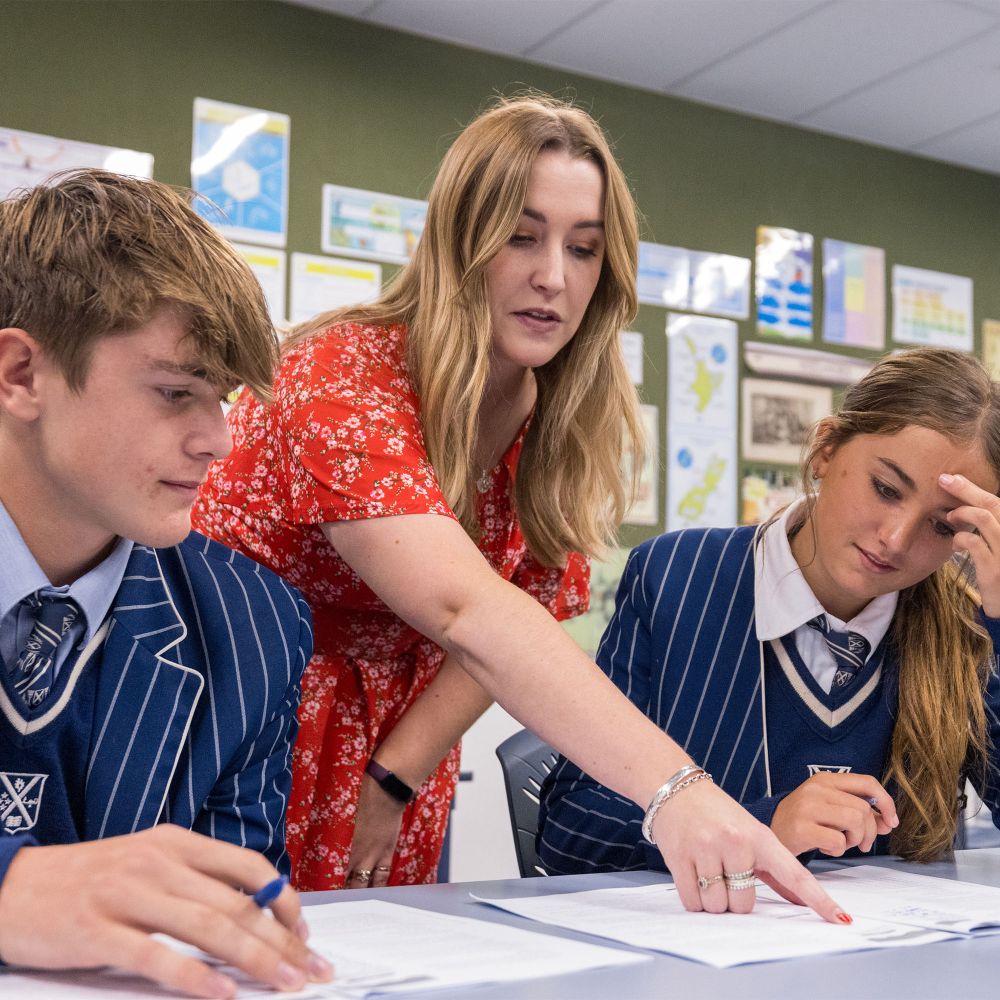
The Academic Extension and Enrichment programme, ACEE, is offered as an elective subject in Years 9–10, with academically gifted and/or talented students formally invited to participate. The programme is shaped around the intellectual and creative abilities of each cohort and includes inquiry-based learning, problem-solving, impact projects, and opportunities for students to share their work with the school community.
Students also engage in academic and cultural extension opportunities such as Model United Nations, Model European Union, Philosophy Conferences, Da Vinci Decathlon, the Neuroscience Brain Bee Competition, University of Canterbury STAR extension programmes, academic mentoring, and Future Problem Solving.
Learning support
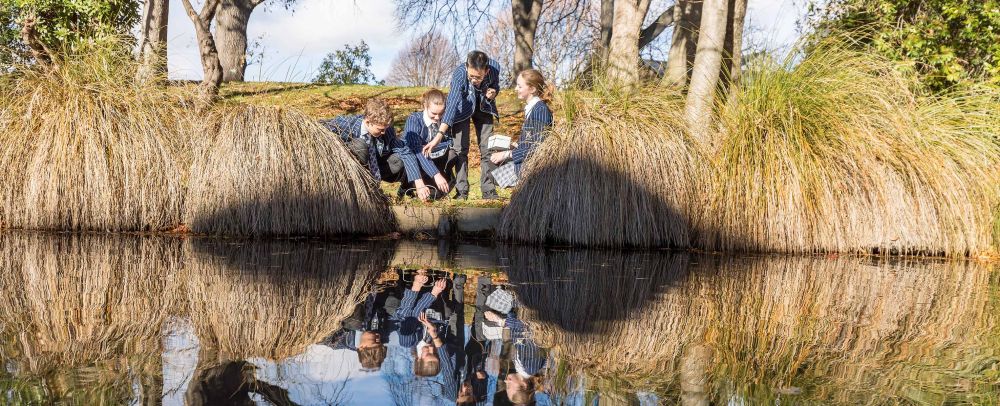
Learning Support helps students with learning challenges develop important foundation skills in reading, writing, and mathematics. In Years 9 and 10, St Andrew’s offers four accelerated learning classes, two at each year level, where students receive intensive instruction to help them build confidence and prepare for Level 1 NCEA.
Students who need to strengthen reading and writing can also access a literacy option. Intensive one-on-one private tuition is available for students in any year group through Seabrook McKenzie tutors, and a range of additional tutoring opportunities is also provided. In Year 11, the Learning Support Department runs special study groups for students who need help in specific areas.
e-Learning and digital citizenship
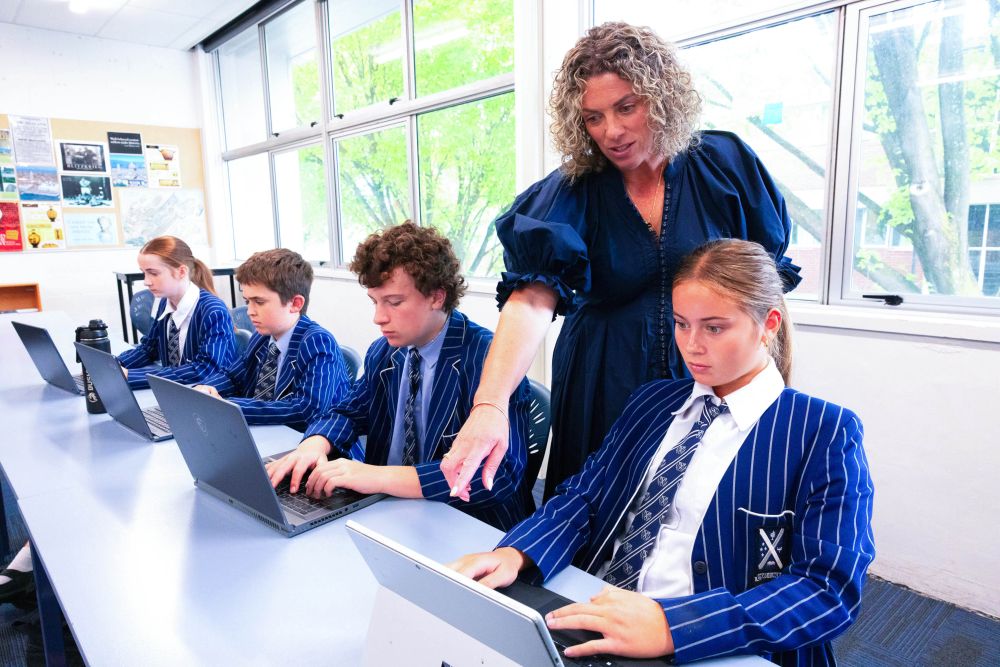
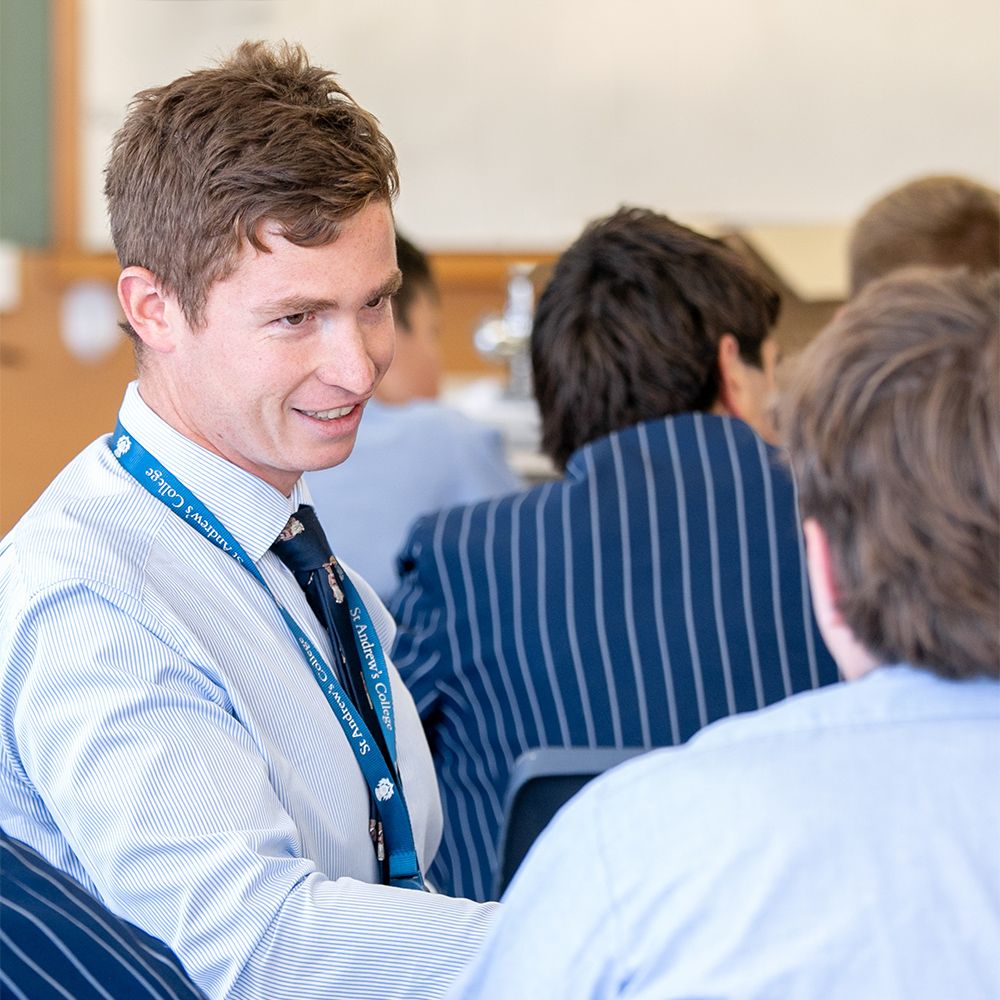
Digital learning at St Andrew’s is designed to place students at the centre of their learning. In the Middle School, students use technology to collaborate, access resources, complete learning tasks, and make informed decisions as responsible digital citizens.
All students are required to bring their own laptop to school, selected from a range of recommended models. This 1:1 Computing environment ensures each student has a device of comparable functionality, supporting reliable access to online learning and College systems. Digital Citizenship is embedded throughout the curriculum, with Year 9 students also taking part in a whole-year Digital Literacy Programme.

Student leadership
Middle School students are encouraged to develop responsibility, teamwork, communication, and reliability through a range of leadership opportunities. Middle School Leaders are selected from Year 11 and contribute through service tasks, event organisation, charity work, and representing the school.
Year 9 and 10 students also have opportunities to show leadership and initiative. They are encouraged to propose ideas, pursue projects, and seek guidance from tutors or Deans as they develop confidence in contributing to school life.
Sport
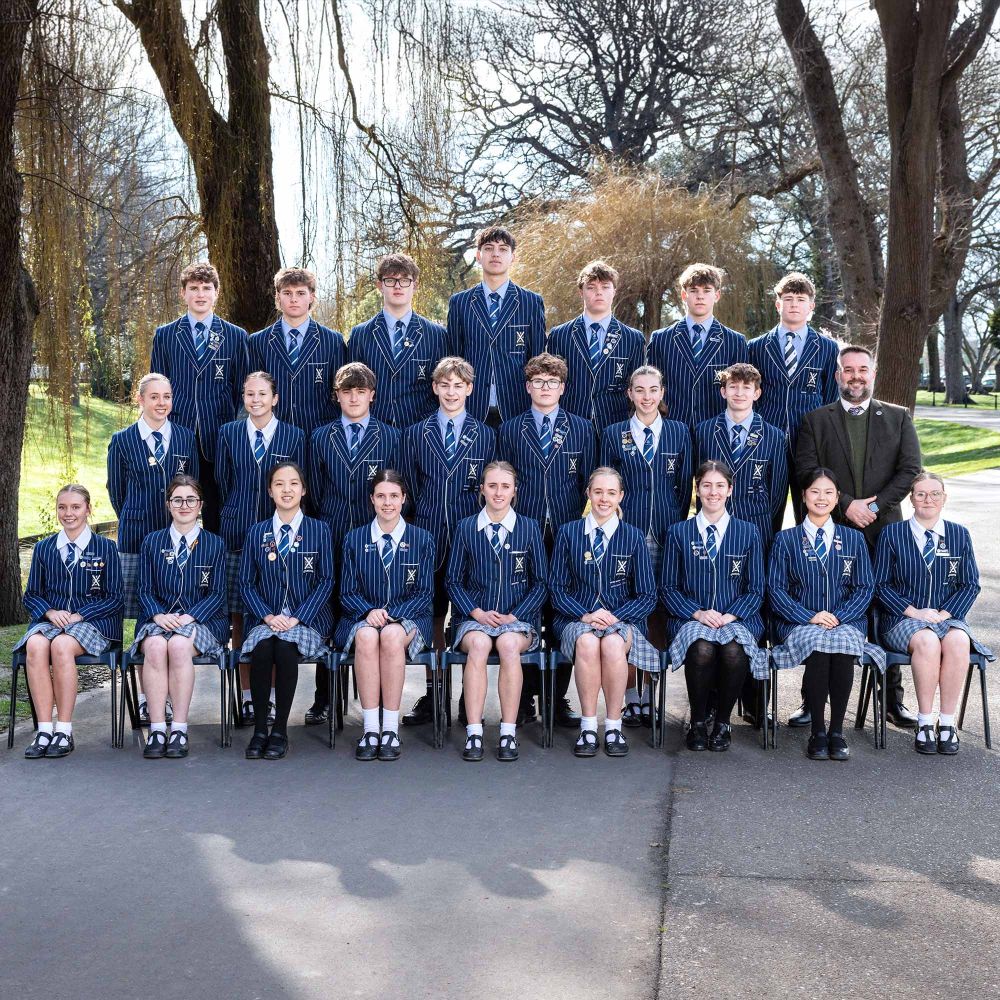
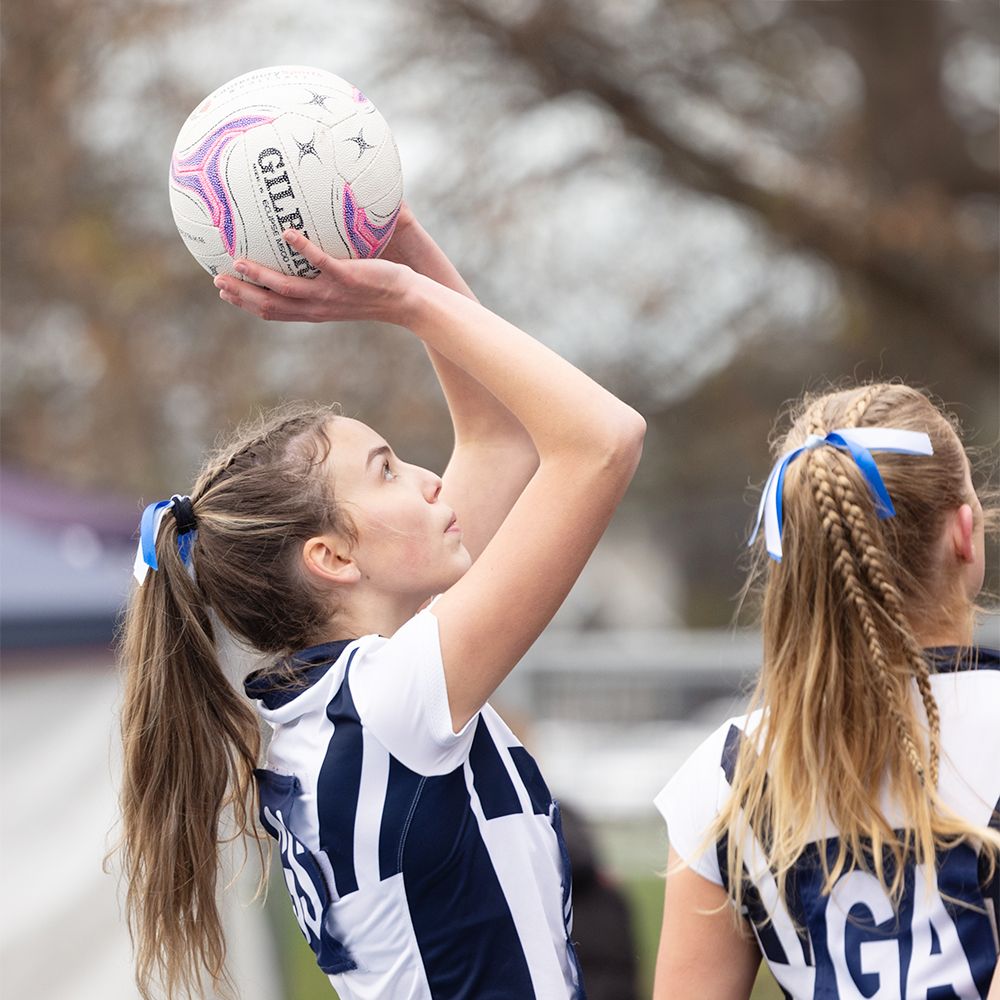
The Secondary School provides an extensive array of sporting opportunities for students. Our sports programme is directed by our Director of Sport and Co-curricular activities, who ensures it reflects current trends, meets the needs of students, and provides a pathway for those students who want to achieve at the highest possible level.
Sport is compulsory in Years 9–12, and is highly encouraged in Year 13, as is participation in our annual athletic sports, swimming, and cross-country events. Students have the opportunity to attend inter-school sports competitions at local, regional and national level, plus take part in our annual sports exchange programme.
The Athlete Sports Development programme for Years 9–10 is an innovative programme designed to cater for young sports people interested in developing their knowledge in what it takes to become a high-performing student athlete. Content is delivered progressively over two years and students involved in this course will learn valuable lessons to assist with all areas of life. Students in Year 11 can take part in the Athlete Sports Performance programme, which is an extension of the Years 9–10 Athlete Sports Development programme, where students involved have the opportunity to continue to apply knowledge with greater independence under the guidance of expert mentors.
Co-curricular and culturalactivities
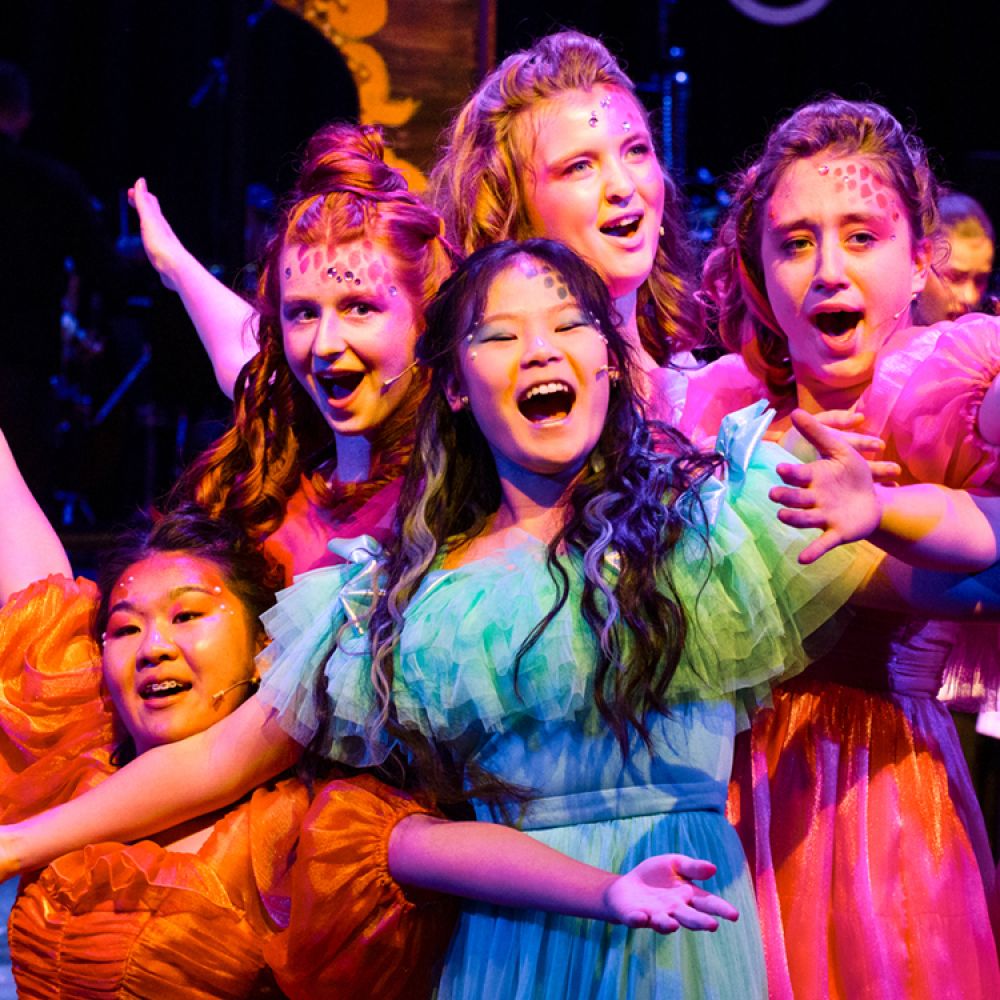
Middle School students can take part in a wide range of co-curricular and cultural opportunities, including Speech and Drama, dance, Highland Dance, ballet, music, choirs, jazz and concert bands, barbershop groups, chamber groups, rock bands, and the College’s internationally acclaimed Pipe Band.
Middle School productions involve large numbers of students in performance and behind-the-scenes roles and are highlights of the cultural calendar. Students can also participate in events such as StAC Attack, Dance Revue, and FilmFest.
Kura Tawhiti Castle Hill and beyond the classroom
St Andrew’s has provided high-quality Outdoor Education experiences for more than 25 years. At the start of Year 9, students spend time offsite building positive relationships with their peers and teachers, developing whanaungatanga, establishing culture, and experiencing challenge.
In Year 10, students extend the skills and concepts developed in previous camps, with opportunities to take responsibility, participate, contribute, deal with adversity, and grow personal and interdependent skills. Weather permitting, activities may include safety above the bush line, skiing, and snow caving. Outdoor programmes for Years 11–13 are tailored to the training and leadership requirements of different groups within the College.

You may be interested in ...
Uniform
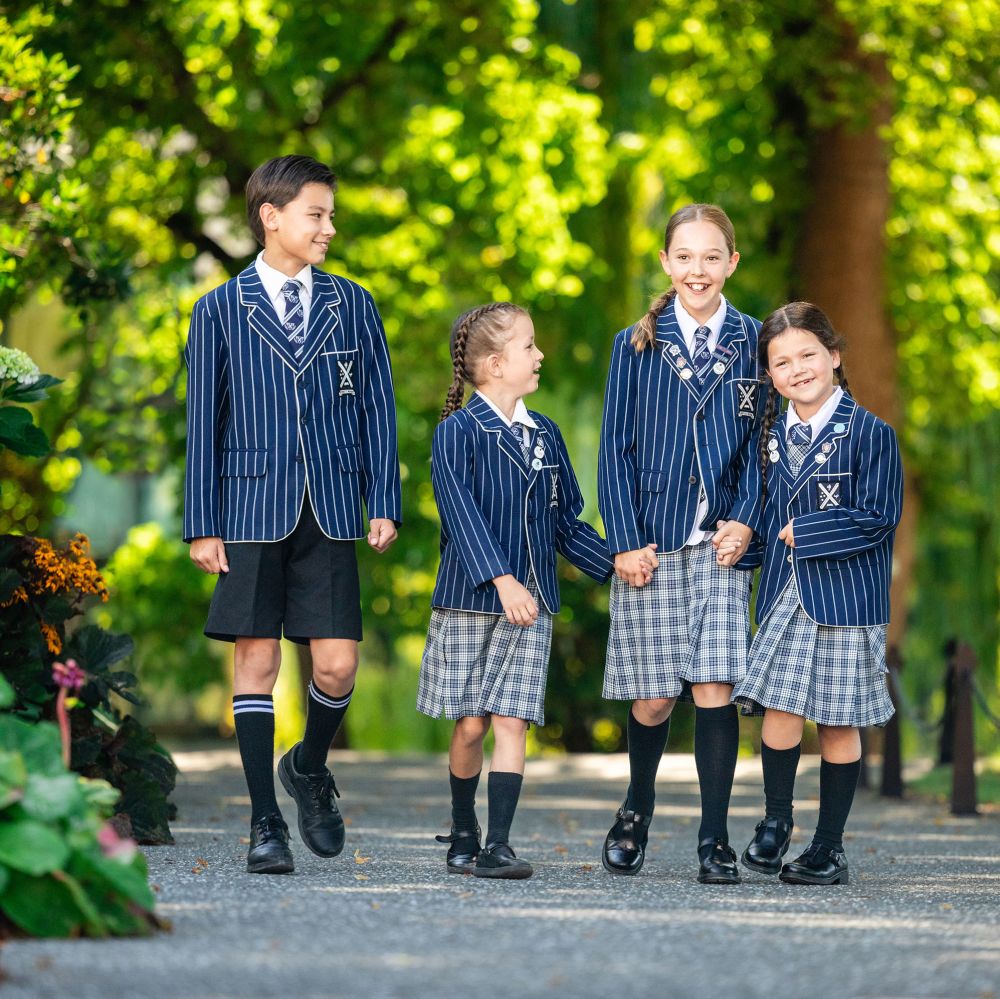
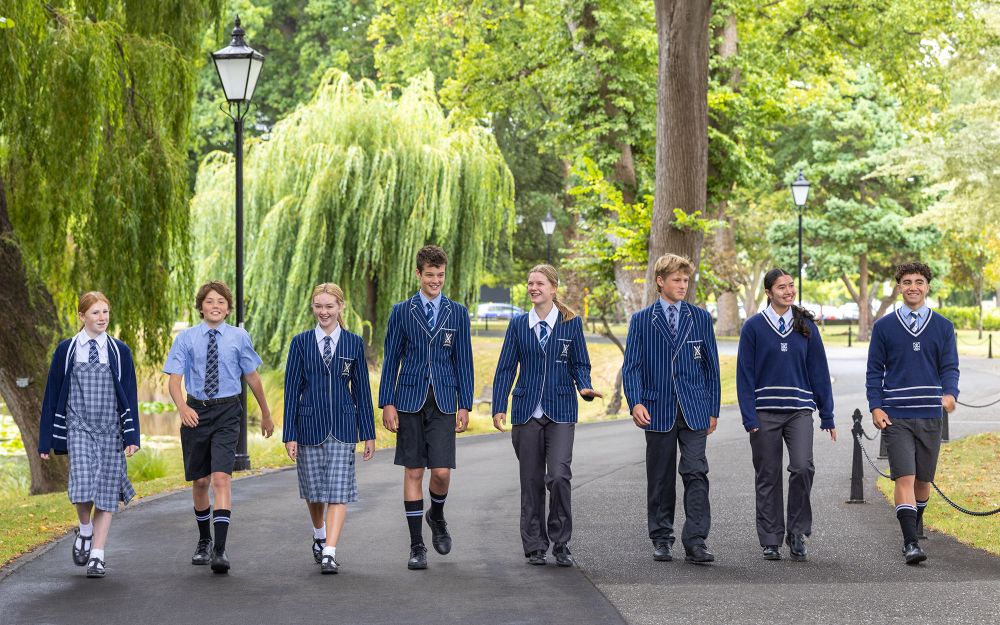
St Andrew’s College uniform is available exclusively from the College Shop, Thistles, and from the Second-hand Uniform Shop run by the PTA, both located on campus.
ERO Report
The latest ERO Report for the St Andrew's College was published in 2025.
Fees
Fees are reviewed each year, with careful consideration given to the factors and costs required to deliver the high-quality education offered by the College.
Contact Information
Enquiries
For further information please contact the College Registrar, Lynn Smith.