Meaning: Helping Young People Discover What Matters
4 August 2026
In a world that often focuses on achievement and success, it can be easy for young people to believe that their worth is defined by what they accomplish. Yet one of the strongest contributors to well-being is something much deeper: a sense of meaning.
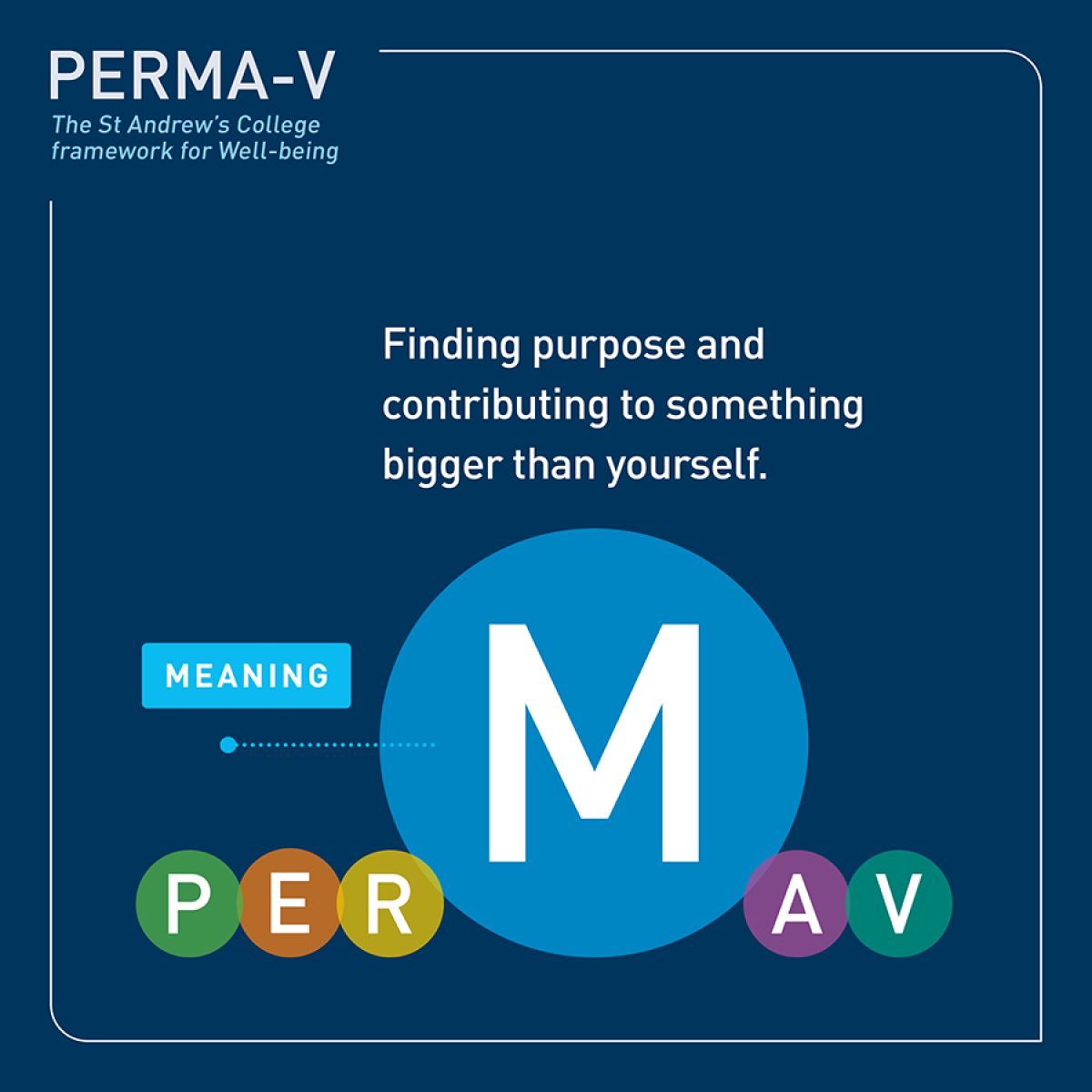
Within the Meaning pillar of PERMA-V (Positive Emotion, Engagement, Relationships, Meaning, Accomplishment, and Vitality), meaning is the sense that your life and your actions matter. It comes from connecting to something bigger than yourself through purpose, values, service, and identity. We experience meaning when we know what's important to us and how we can contribute.
When people hear the word meaning, they often think about future careers, life goals, or making a positive contribution to society. These are important, but meaning begins with something more fundamental.
Meaning Begins with Mattering
Meaning begins with the belief that I matter.
Mattering is the feeling that we are valued, that we belong, and that our presence makes a difference to others. For young people, this foundation is essential. Before they can fully consider how they might contribute to the world, they need to know that they are significant members of their families, friendship groups, teams, and communities.
Psychologist Gordon Flett, a leading researcher in this field, draws a helpful distinction between belonging and mattering. Belonging is about connection — having people around us. Mattering goes a step further: it is the sense that we are significant within that connection, that our presence genuinely makes a difference. Both matter, but Flett's research suggests mattering carries the greater psychological weight, particularly for children and adolescents.
When young people feel seen, heard, and valued, they are more likely to engage in learning, form positive relationships, and develop confidence in who they are becoming. Research suggests that when young people develop this sense of meaning, they show greater resilience, motivation, and perseverance.
Meaning acts as a compass during challenging times, helping them navigate setbacks and make decisions that align with what they value most. It is about understanding that our lives have purpose, that we are connected to something larger than ourselves, and that who we are and what we do matters.

Meaning Is Built Through Everyday Actions
Many people assume that meaning comes from extraordinary achievements. In reality, it is usually built through ordinary moments and consistent choices. Meaning can grow when a student:
Supports a friend through a difficult time
Acts with courage when something feels unfair
Contributes to a team effort
Helps someone in need
Lives in a way that reflects their values
These experiences help young people understand that meaning is not something they suddenly find. It develops gradually through relationships, contribution, reflection, and the choices they make each day.
Meaning is also often discovered through participation. It grows when students become involved, try new experiences, contribute to a team, support others, and step beyond what feels familiar.

Meaning at St Andrew's
At St Andrew's College, we want every student to know that they matter.
This is one reason our strategic priority of making the most of opportunities is so important. Whether through learning, sport, culture, service, leadership, chaplaincy, or friendships, students have opportunities to connect with something beyond themselves and to recognise the positive impact they can have on others.
Through our PERMA-V approach, we encourage students to reflect on three questions:
Who am I becoming?
What matters to me?
How can I contribute to something bigger than myself?
Over time, these reflections help young people develop a stronger sense of identity, purpose, and meaning. Our hope is that every student leaves St Andrew's knowing two important truths: that they matter, and that they have something meaningful to contribute to the world.

How Parents Can Foster Meaning
Parents play a powerful role in helping young people develop a sense of meaning.
Often, this happens through simple everyday interactions:
Listening with genuine attention.
Showing interest in their thoughts and experiences.
Recognising effort and character strengths, not just achievement.
Encouraging them to contribute at home and in the community.
Helping them reflect on what is important to them.

A Question Worth Reflecting On
As parents, one of the most powerful questions we can ask ourselves is:
What have I done today that helped my child know they matter?
Often, the answer is found not in a grand gesture but in a small moment of attention, encouragement, or connection.
These moments communicate a message every young person needs to hear:
You belong. You are valued. You matter.
At St Andrew's, we believe meaning is not something students need to have fully figured out today. It develops over time through relationships, reflection, contribution, and making the most of opportunities. By helping young people recognise that they matter and that they can make a positive difference in the lives of others, we help them build a foundation for well-being that extends far beyond their school years.
Related Posts