On Accomplishment and Well-being
8 September 2026
When we hear the word accomplishment, it's easy to think about outcomes: a good report, selection for a team, a performance on stage, an award at prizegiving.
These moments are certainly worth celebrating. But real accomplishment isn't measured by results; it's found in the growth, effort, and learning that happen along the way and it belongs to every student, not just a select few.
In PERMA-V, accomplishment means making progress towards meaningful goals, building skills through practice, and celebrating the small wins that move us forward. It's the satisfaction of working hard at something that matters and seeing yourself improve.
When students experience that forward motion, they learn an important truth: success isn't something that happens to you, it's something you work towards, one step at a time.
It Starts With a Goal
Every accomplishment begins with a destination, and this term, students across St Andrew's College are exploring exactly that.
In our secondary school, students are working through an academic and well-being goal using the WOOP framework (Wish, Outcome, Obstacle, Plan) — thinking carefully not just about what they want to achieve, but why it matters and how they'll respond when obstacles arise.
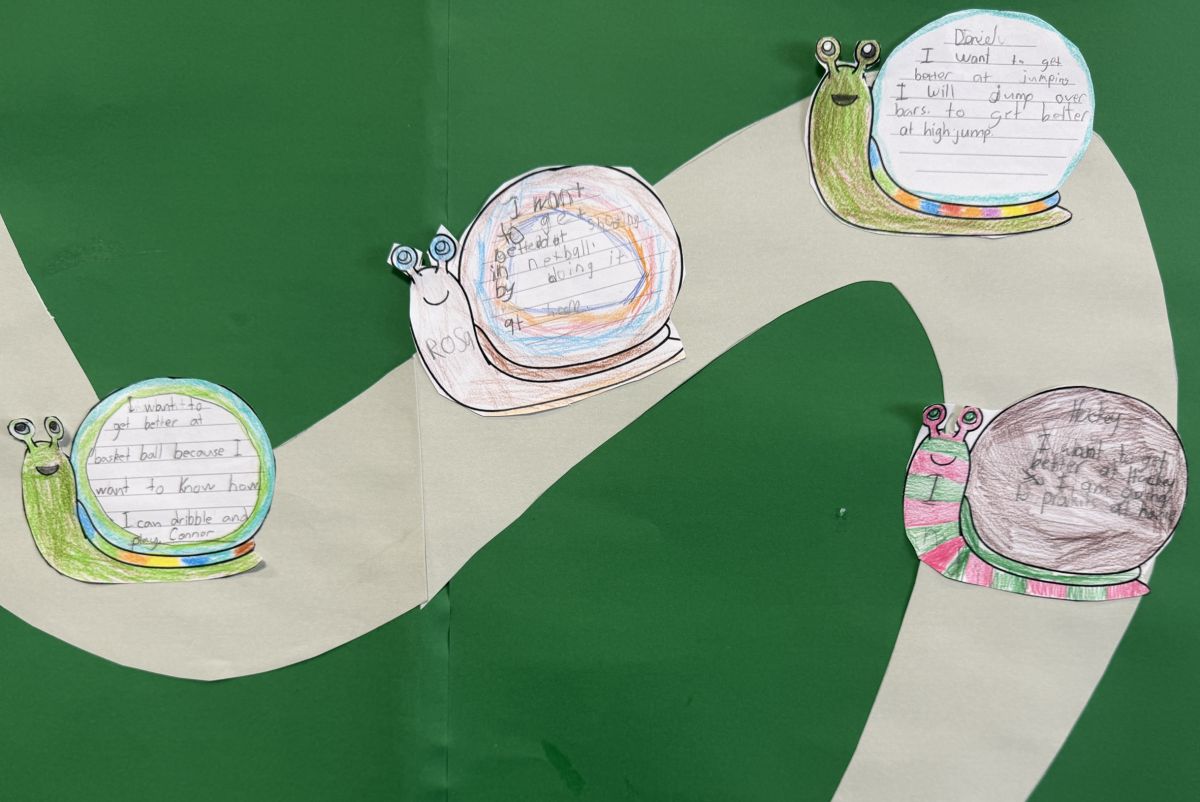
In our junior school, Year 3 students have been inspired by the picture book My Path, about a snail that sets off each morning to find its own route, encountering obstacles, discovering opportunities and learning that progress comes from continuing forward even when the path isn't straightforward. Students have created a visual "slime trail" of snails displaying goals they hope to achieve on their own journeys.
There's a lesson in that image for all of us. The snail doesn't move quickly, and it doesn't compare its pace to anyone else's. It simply keeps moving forward. Accomplishment is rarely about dramatic leaps, more often, it's the result of small, consistent steps taken over time.
Growth, Not Comparison
Young people live in a world of comparison. Social media, assessment results and sporting competitions can make accomplishment feel like it belongs only to the highest achievers. But genuine accomplishment isn't about comparison. It's about growth, regardless of where a student starts.
This looks like the WOOP student adjusting their plan after hitting an obstacle, or the Year 3 snail on the slime trail inching past a setback. In practice, it shows up when a student:
Persists with a challenging task
Improves a skill through practice
Learns from feedback
Recovers from a setback
Completes a goal they once thought was difficult
Takes a meaningful step towards a larger aspiration
These moments aren't always recognised publicly, but they're often what builds the greatest confidence because students learn they can persevere through challenges.
This is closely connected to what psychologist Carol Dweck calls a growth mindset: the belief that ability isn't fixed, but develops through effort and practice. Students who see a difficult task or a poor result as a starting point rather than a verdict are far more likely to keep trying — and it's often the language adults use around them, praising effort and strategy rather than just outcomes, that helps this mindset take hold.
As teachers and parents, one of the most valuable things we can do is notice and celebrate that progress. When children learn to value effort and perseverance, they build confidence that outlasts any single result.

Accomplishment in Action
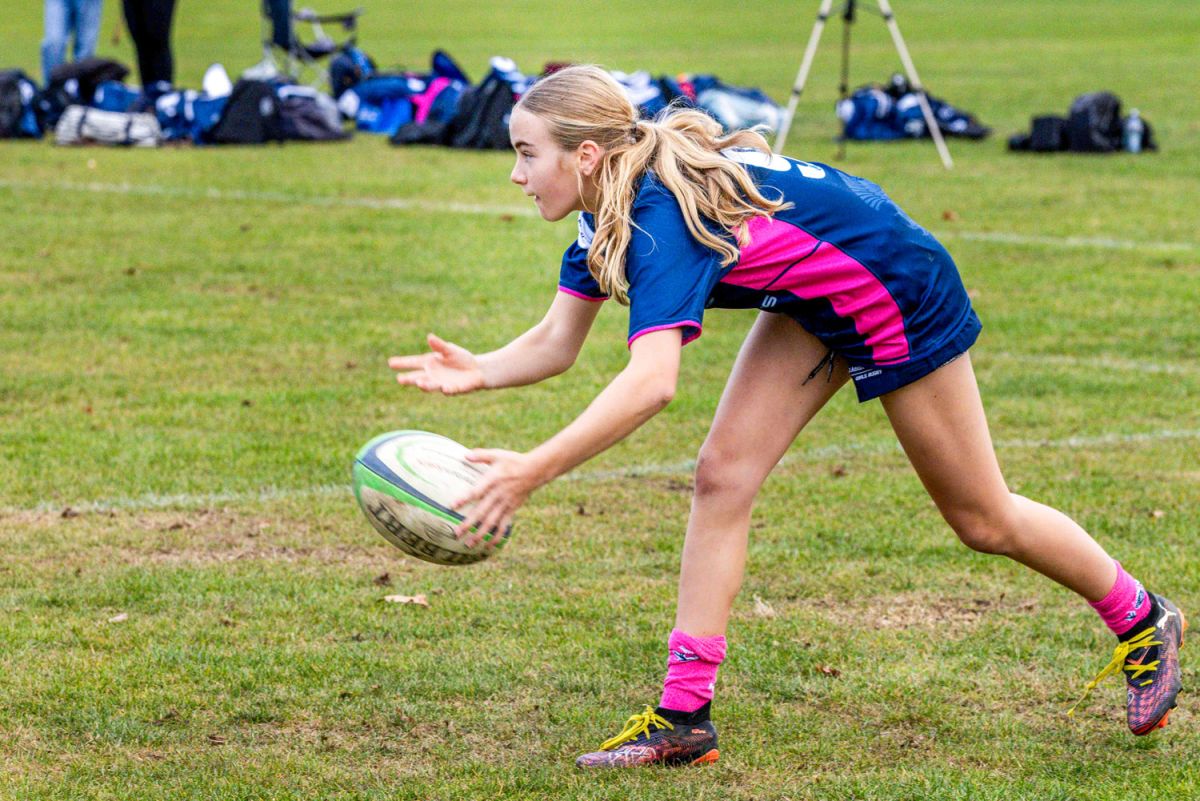
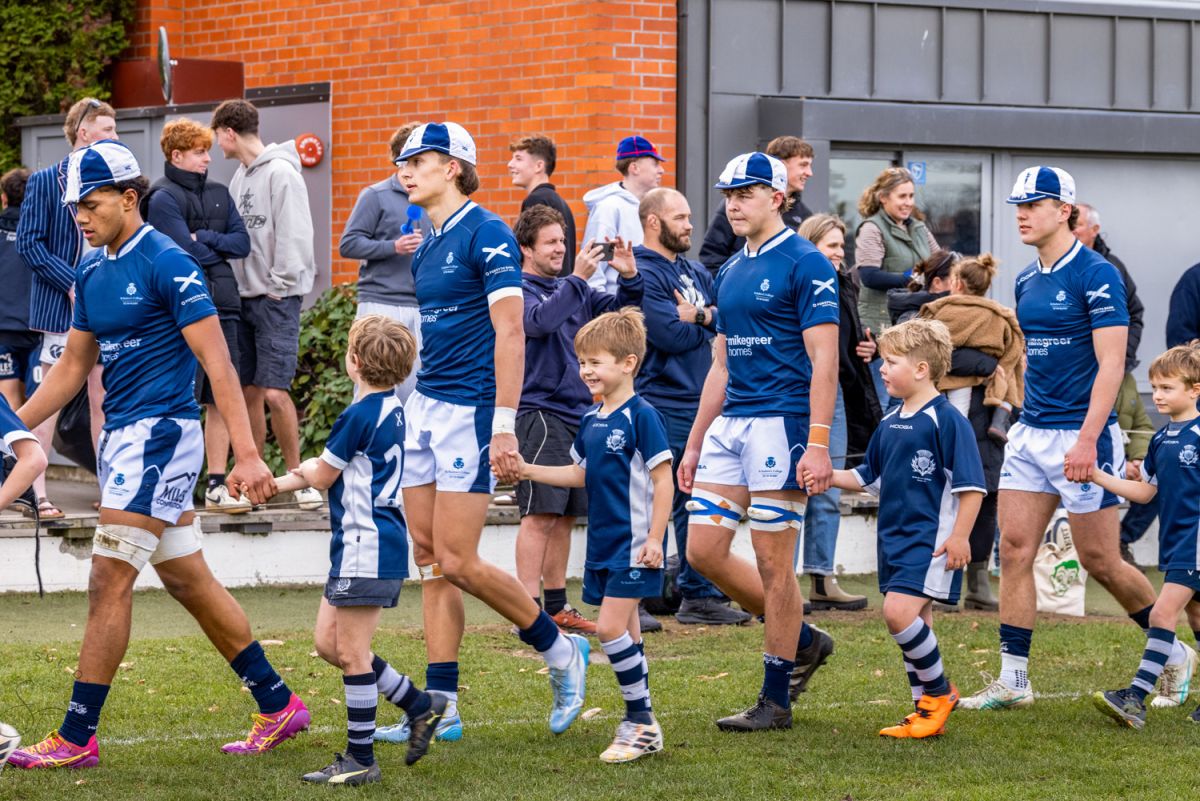
Last week was winter tournament week at St Andrew's, and we saw success across the board — from our First Fifteen making history with the national rugby championship, to countless other teams whose seasons ended in personal bests, tight contests, and hard-fought growth.
But the achievements themselves are only half the story. Behind them sits months of accomplishment that few people saw: early morning training sessions, setbacks worked through, small improvements built week on week and the quiet perseverance of teams committed to getting a little better each day.
It's a reminder of the point at the heart of this pillar: the win is what we celebrate, but it's the accomplishment behind it that tells the real story.
Accomplishment at St Andrew's
At St Andrew's, we want every student to experience the satisfaction that comes from striving, growing, and improving. Our strategic priority of making the most of opportunities gives students countless chances to develop new skills, stretch beyond their comfort zones, and pursue goals that matter to them.
We encourage students to reflect on three simple questions:
What am I working towards?
What is my next step?
How have I grown along the way?
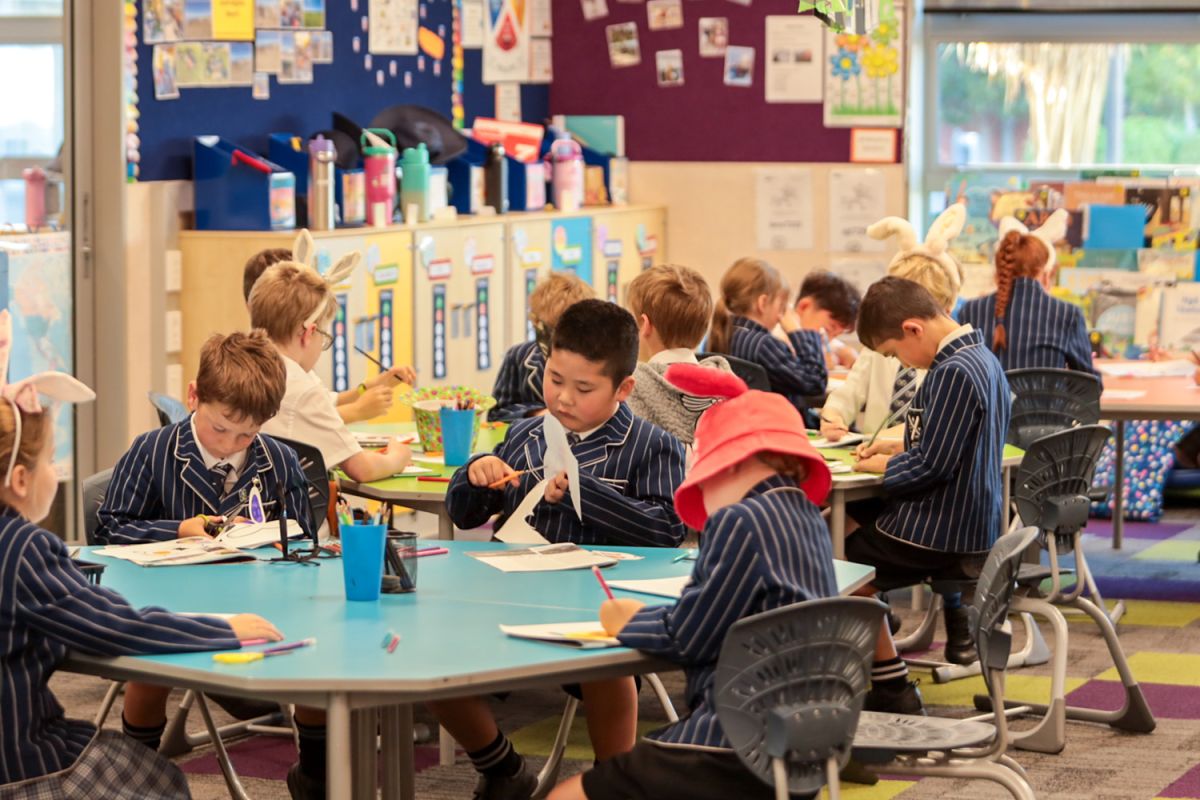
Accomplishment isn't about being the best — it's about growing, learning, and making progress towards goals that matter. For one student, that might mean excellence in an exam; for another, it might mean asking for help, auditioning for a performance, or taking a brave step outside their comfort zone. How a student's journey compares to another's doesn't matter — what matters is that they keep moving forward.
One simple place to start: at dinner tonight, try asking "what's something you got a bit better at this week?" instead of "how did you do?" It shifts the focus from result to progress — and often opens up a much richer conversation.
What small win could you celebrate with your child this week?
Related Posts