Positive Emotion: The First Pillar of PERMA‑V
29 April 2026
Written by Kerry Larby, Head of Well-being
Think about a moment in the last week when your child lit up - a shared laugh, a teacher noticing something they did well, or finally mastering a skill they’ve been practising. These small positive moments matter more than we often realise. They’re not just nice to notice; they help shape how your child’s brain learns, copes, and connects.
This term, we’re bringing PERMA‑V, our College framework for well‑being, to life by exploring one building block at a time and sharing simple, honest ways families can support each one at home.
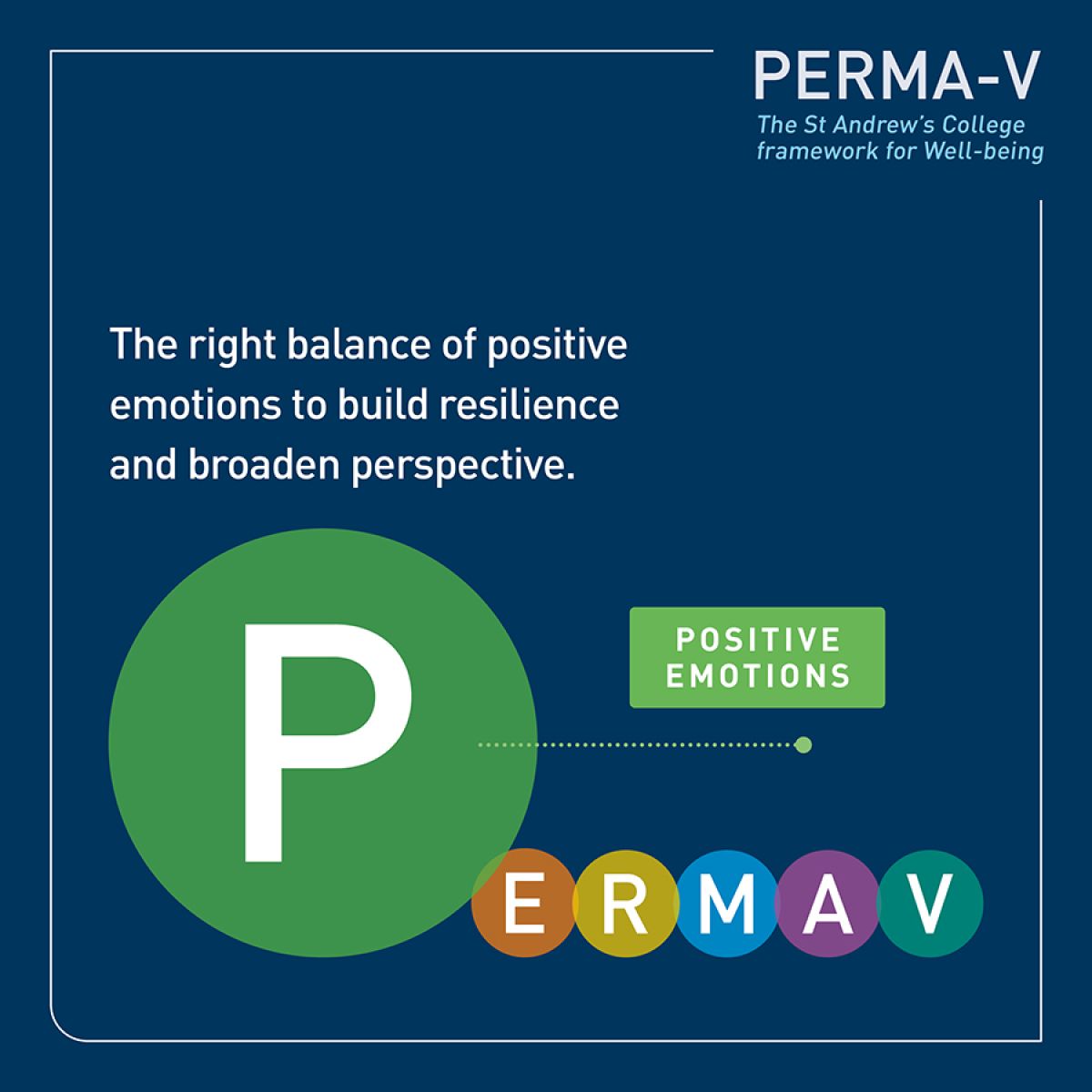
We’re beginning with our first pillar Positive Emotion, Ngā kare pai ā‑roto. This includes feelings like joy, gratitude, calm, hope, pride, and contentment. The reassuring message from the research is this: well‑being isn’t built through big, carefully engineered moments. It grows through small, everyday experiences that add up over time.
What positive emotion actually does
When your child feels good, even briefly, something shifts in their nervous system. The brain moves out of "threat mode" into a calmer, more open state. Thinking gets clearer. Problems feel more solvable. Connection with others becomes easier.
Researchers such as Barbara Fredrickson call this the "broaden and build" effect. Positive emotions broaden what we can think about in the moment, and over time they build resilience, the capacity to cope when things get hard.
"Even tiny moments help young people reset and re-engage with the world: a shared laugh in the car, noticing something beautiful, a kind word."
A simple way to picture it:
Stress narrows the mind. Everything feels urgent, heavy, overwhelming, and it's hard to see options or think creatively.
Positive emotion widens it. Suddenly there's more perspective, more possibility, more energy to cope, even with the same challenges.

But what about the hard feelings?
Having Positive Emotion as a pillar in our well-being framework isn't about pretending everything's fine. Emotions such as sadness, frustration, worry, and anger are all completely normal and they serve a purpose. They teach us things, protect us, and help us grow. We're not trying to replace them.
What we're aiming for with our young people is balance. Enough positive emotion in everyday life so that difficult feelings don't become the whole story. That balance is something families can genuinely shape, not through grand gestures, but through small, consistent moments.

Six simple things to try at home
None of these require extra time or a perfect day. They're small habits that, over weeks and months, make a real difference.
1. Name emotions out loud
When your child is struggling, help them get specific. There's a difference between stress, worry, fear, and overwhelm, and naming it reduces confusion and intensity. You could ask:
"Is this stress, or does it feel more overwhelming?"
"What emotion is strongest for you right now?"
Feeling understood often comes before feeling better.
2. Pause and savour the good moments
Notice small things together: warm sunshine, a funny moment, the smell of dinner, a shared laugh. Savouring stretches positive emotion and gently signals to the brain that life is safe enough to slow down.

3. Build a quick gratitude habit
A simple daily check-in, in the car, at the dinner table, or before bed, trains the mind to notice what's going well without forcing positivity.
"What's one good thing from today?"
"Who helped you today, even in a small way?"
4. Protect small calm moments
A short walk, quiet music, time with a pet, a few minutes outside, or simply doing nothing together. These aren't wasted time. They restore emotional balance and make it easier for positive feelings to surface naturally.
(For some children, this also means coming off screens before they feel overtired or overstimulated.)
5. Help your child notice how technology makes them feel
Technology isn't good or bad in itself, but it does affect mood. You might gently ask:
"How do you feel after that: lighter, flat, tense, amused?"
No judgement, no rules in that moment. Just noticing. Over time, children learn what supports their emotional well-being and when it's time to reset.
6. Notice strengths as they happen
Catch your child being themselves at their best and name it simply.
"That was kind."
"You showed real perseverance there."
"Your humour helped tonight."
This builds pride, hope, and a sense of being valued, powerful positive emotions that last.

Positive emotion isn't about chasing happiness or putting a brave face on hard things. It's about helping young people notice what's good, even in the small moments, so they can reset when life feels like too much, and gradually build the resilience to handle whatever comes next.
The small moments you create at home are not small at all. Thank you for being part of this with us. Our next post will focus on the E of PERMA-V: Engagement.
Related Posts