Well-being and Pastoral Care

Manaakitanga Toiora

At St Andrew’s College, well-being is part of everyday school life. It is reflected in the relationships students build, the support they receive, and the school culture that helps them feel known, safe, and ready to learn. Well-being is not treated independently from academic growth. It is understood as one of the foundations that helps young people engage fully, develop confidence, and navigate school life with increasing resilience and maturity.

Well-being is at the heart of everything

St Andrew’s takes a thoughtful, research-informed approach to student well-being. Since 2017, the College has invested in evidence-based practice and professional learning that supports positive relationships, emotional intelligence, resilience, motivation, engagement, and purpose.

That commitment continues to evolve. The appointment of the College’s inaugural Head of Hauora in 2026 reflects a deliberate focus on aligning well-being and pastoral care across the Preparatory and Secondary Schools, strengthening a whole-school approach that supports students from Year 1–13.

A well-being focus is integrated into our curricular, co-curricular and pastoral programmes. Our school culture strongly supports student well-being by valuing the importance of positive relationships and celebrating diversity. We aspire for our Collegians to be resilient and confident, able to relate well to others, critical thinkers and informed decision-makers, and contributors to a purpose greater than themselves.
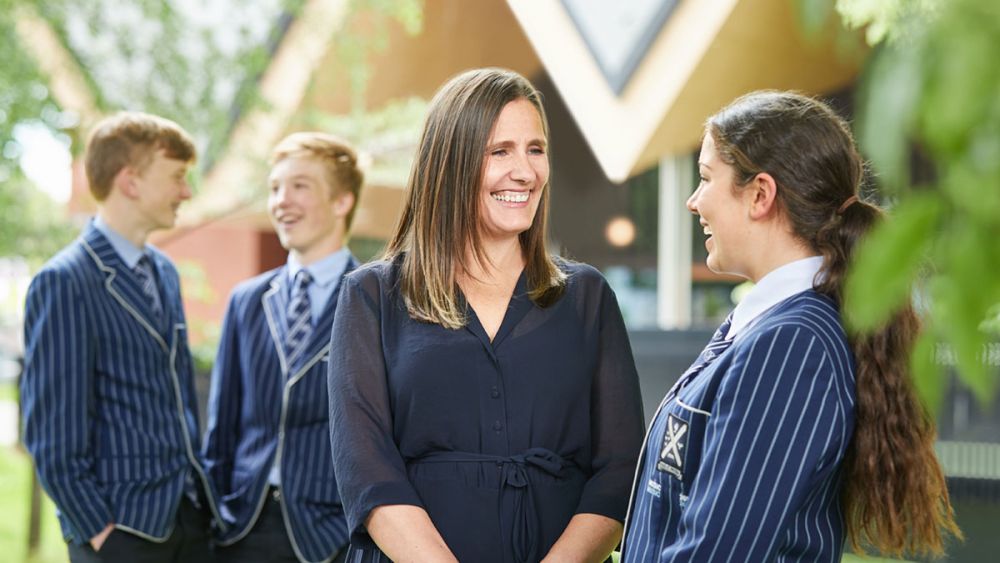
Teachers with students talking outside of Centennial Chapel

Well-being in practice

At St Andrew’s, well-being is supported through more than one programme or lesson. It is shaped through daily relationships, pastoral care, guidance, mentoring, health education, and the many interactions that help students feel settled, understood, and supported as they grow.

This includes comprehensive well-being programmes in both the Preparatory and Secondary Schools, supported by the wider pastoral system and specialist staff. Together, these layers of support help students build resilience, understand themselves more clearly, and navigate the challenges of growing up with confidence.

The College also works in partnership with families, recognising that student well-being is strongest when the important adults in a young person’s life are working together with clarity and care.
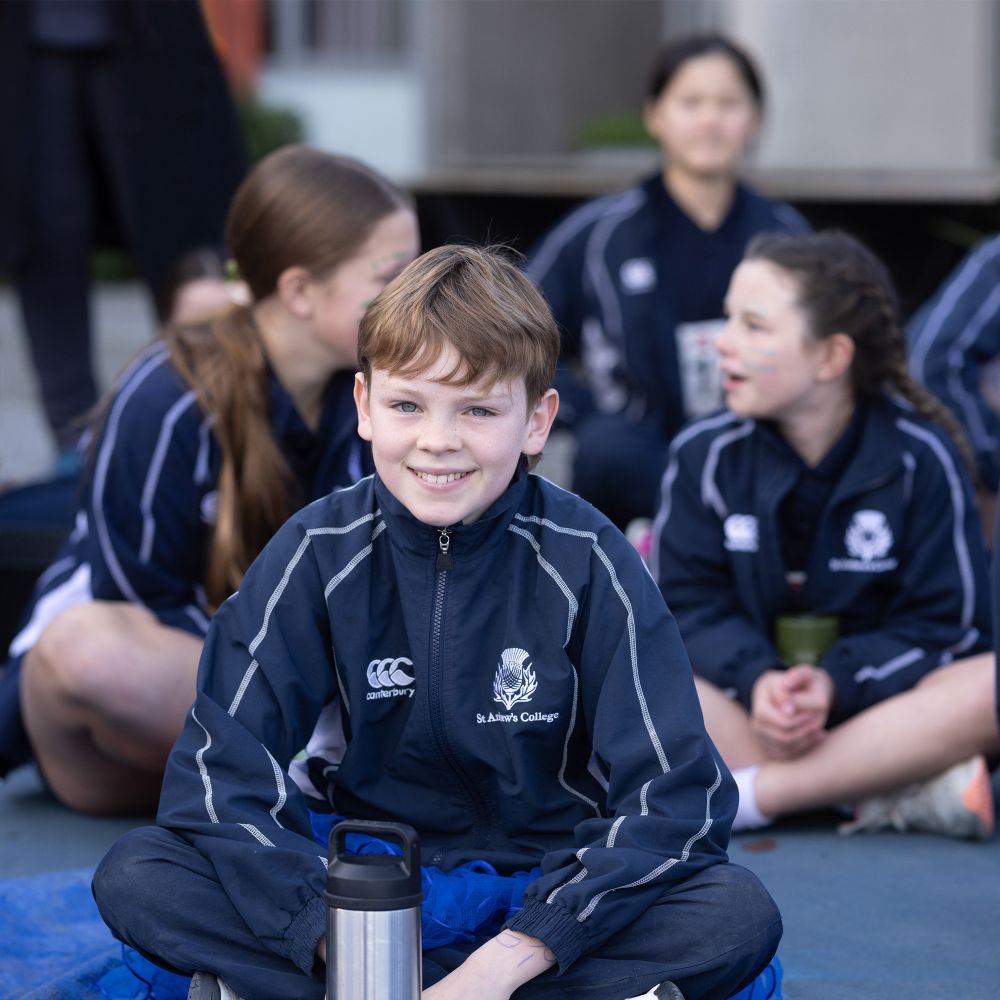
  • Preparatory School Programmes

    StAC-Up
    StAC-Up is a pastoral care and values system developed in 2019 that supports student well-being throughout the Preparatory School. Students are encouraged to be safe- inside, outside, and online; be ready- to learn in all situations and to be respectful- towards themselves and others.

    Junior School: Mindful Movers
    Mindful Movers is a mindfulness programme that uses different techniques to teach students how to be mindful, centred and check-in with their bodies, emotions, and thoughts. During mindfulness lessons, students are encouraged to think with a growth mindset and to be kind to themselves and one another.

    Years 1–7: Bounce Back
    Bounce Back is an award winning, evidence-based programme focused on developing well-being, resilience, and social-emotional skills. A key focus of this whole-school programme is about normalising setbacks, mistakes, and challenges as a part of life. The curriculum has ten units that focus on topics such as emotions, relationships, courage, being safe and values. Bounce Back incorporates evidence-based teaching strategies including Circle Time, a structured framework where students share and listen, building empathy and connection.

    Year 8: Heroic Habits
    Heroic Habits focuses on building students’ emotional literacy around the virtues, qualities and habits that are important for life’s journey. Students learn, discuss, and reflect about habits such as presence, vulnerability, acceptance, and hope.

    Preparatory School Health and Physical Education Curriculum (Years 1–8)
    Our curriculum is designed according to the New Zealand Health and Physical Education Curriculum and covers topics including Caring for Others, Keeping Ourselves Safe, Developing a Growth Mindset, Personal Health and Sexuality, Food and Nutrition, Drug Education, Cyber Safety, Rights and Responsibilities, physical skill development, team skills, fitness, and sports education.

  • Secondary School Programmes

    Years 9–10 Health and Physical Education Curriculum
    Our curriculum is designed according to the New Zealand Health and Physical Education Curriculum and covers topics including models of well-being, factors that contribute to well-being, Character Strengths, puberty, body image, contraception and sexuality, healthy friendships, social media and technology, bullying and kindness, sexual decision making, effective communication, healthy decision-making: drugs, alcohol, vaping and driving, and mental health and resilience.

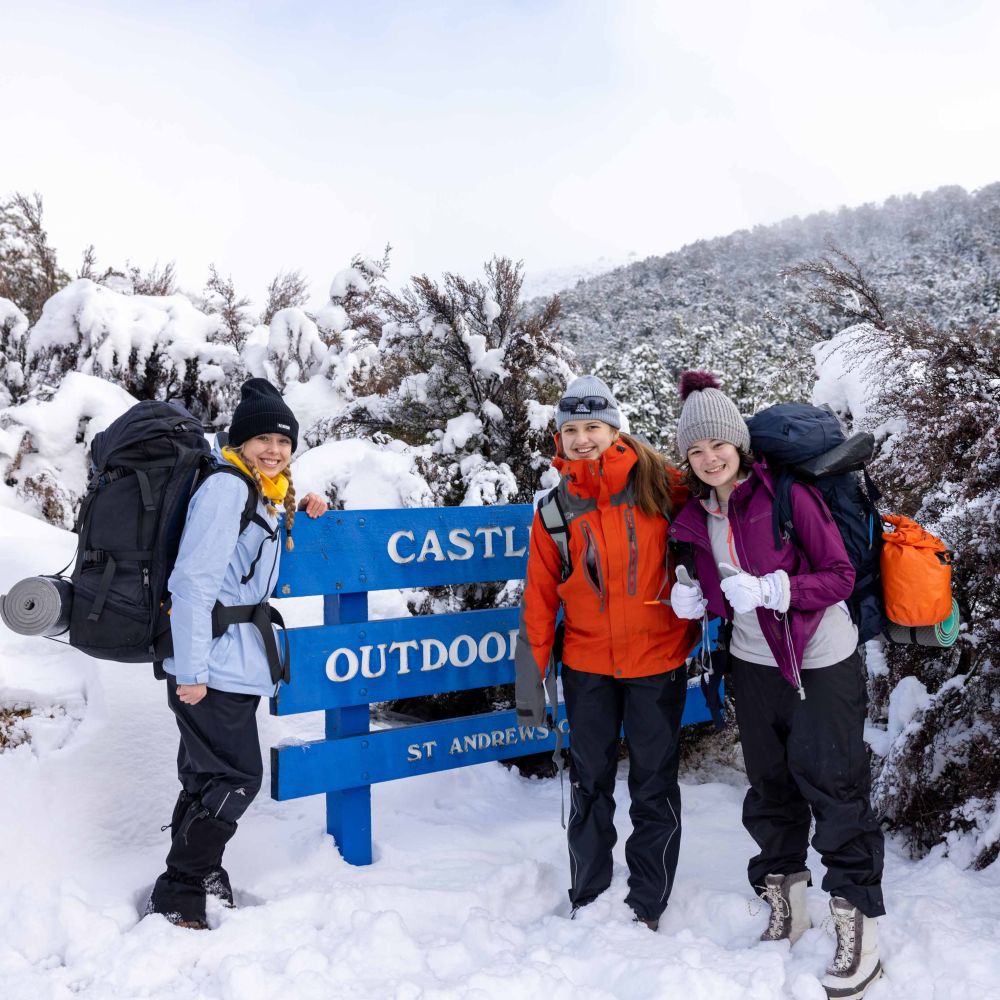
    Year 10: Te Waka – The Rite Journey
    A year-long Rite of Passage programme, Te Waka is a single-sex programme designed to acknowledge and celebrate each student's shift into adulthood. Through conversations, experiences, and space for reflection students are encouraged to develop resilience, respect, and responsibility. The programme inspires students to step outside their comfort zone by participating in a series of challenges including an overnight SOLO experience at Castle Hill. All Te Waka teachers have been trained to teach the Rite Journey programme and have participated in Acceptance Commitment Therapy training to understand psychological processes impacting well-being.

    Year 13 Te Waka Course
    The Year 13 Te Waka programme is a senior version of Year 10’s The Rite Journey, supporting students’ well-being as they prepare for life beyond school. Through guided conversations, journaling, and reflection, students explore values, relationships, stress, and future goals. Delivered in co-ed groups, the course provides space for connection, self-awareness, and emotional resilience.

    Led by trained staff from the Physical Education and Health Department, the programme also includes a leadership element, with Year 13 students having the opportunity to mentor Year 10 Te Waka students and learn the importance of giving back.

    Years 11–13 Health and Physical Education Curriculum
    Our curriculum is designed according to the New Zealand Health and Physical Education Curriculum and covers topics including brain function and well-being, models of well-being: What matters most?, Character Strengths, leadership, self-awareness and decision-making, emotional intelligence, mental health, effective communication strategies, sexual decision-making, healthy intimate relationships, legal rights and responsibilities, goal setting, and financial literacy.

Preparatory students doing PE.

PERMA-V: our framework for well-being

At St Andrew’s, students develop their understanding of well-being through practical, research-informed frameworks that help them recognise what supports healthy growth and flourishing over time. One of the most important is PERMA-V, which shapes the College’s shared language and approach to well-being.

PERMA-V brings together six key dimensions of well-being that are particularly relevant in a school context: positive emotions, engagement, relationships, meaning, accomplishment, and vitality. These dimensions help students think about their well-being in a way that is practical, reflective, and relevant to their daily lives.

At St Andrew’s, PERMA-V helps students to:

  • understand that well-being involves more than simply feeling happy all the time;

  • recognise the importance of relationships, healthy routines, and purposeful engagement;

  • reflect on what helps them feel balanced, capable, and connected;

  • build a shared language for discussing well-being across the College community.
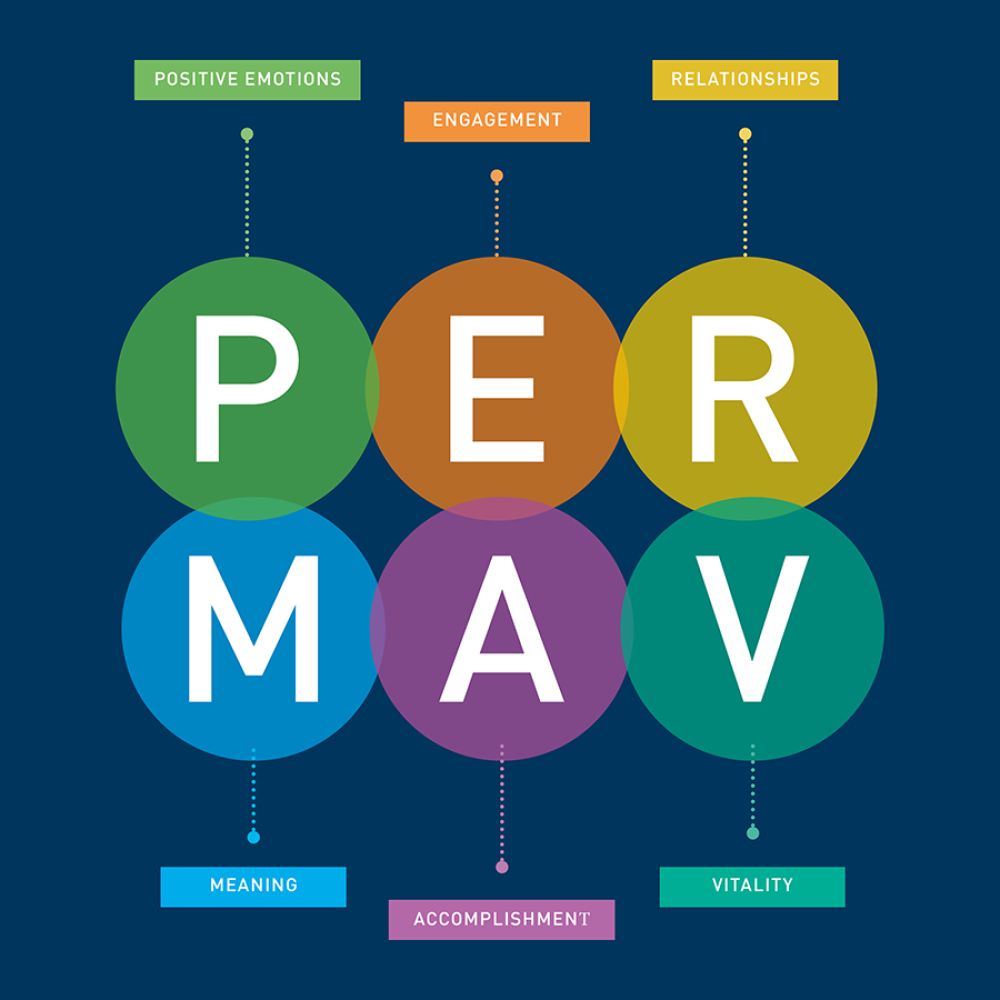
Perma-V model.

VIA Character Strengths

Well-being at St Andrew’s is not only about support when things are difficult. It is also about recognising and developing the strengths students already bring. The College uses the VIA Character Strengths framework to help students understand their natural ways of thinking, feeling, and behaving, and to build on them with confidence.

This strengths-based approach helps staff identify what is already working well for a student, celebrate difference, and support young people to grow in ways that feel authentic and sustainable.

Through VIA, students are encouraged to notice and value qualities such as courage, curiosity, kindness, perseverance, humour, leadership, and self-regulation, and to understand that strengths can be both recognised and developed over time.
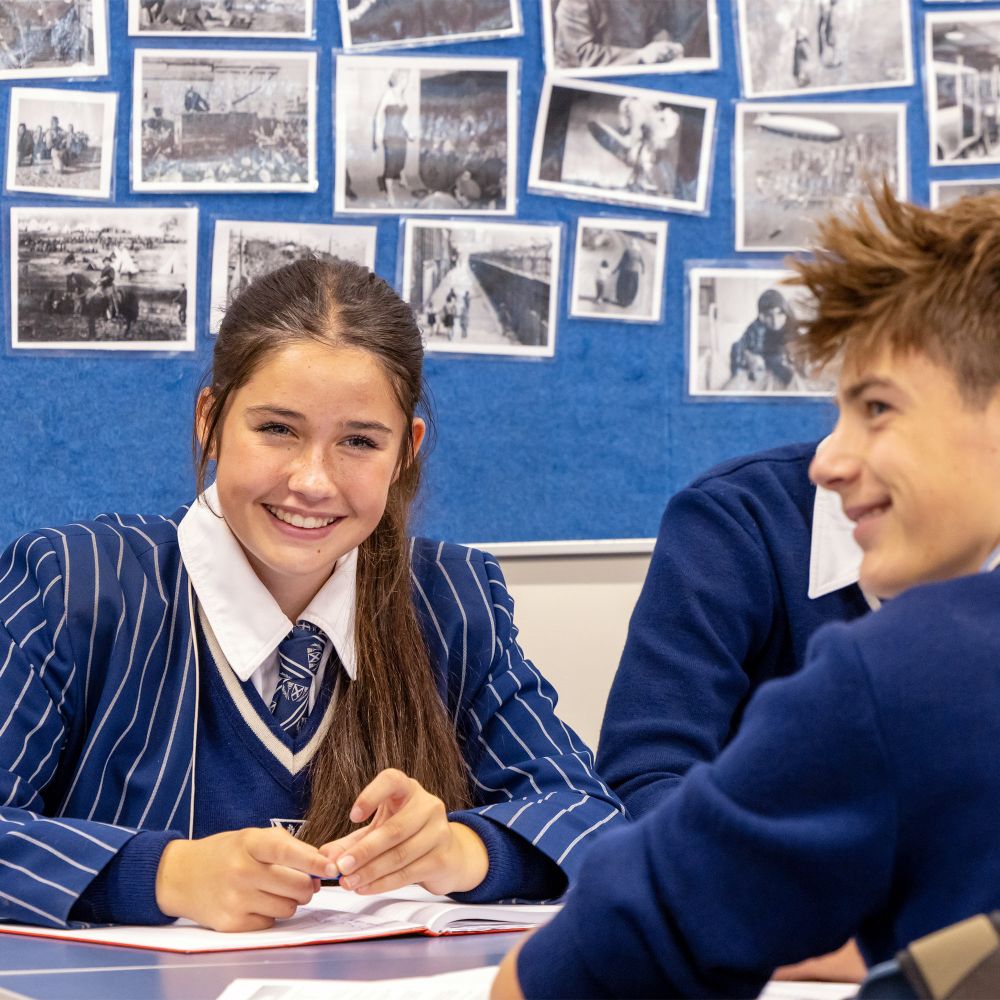
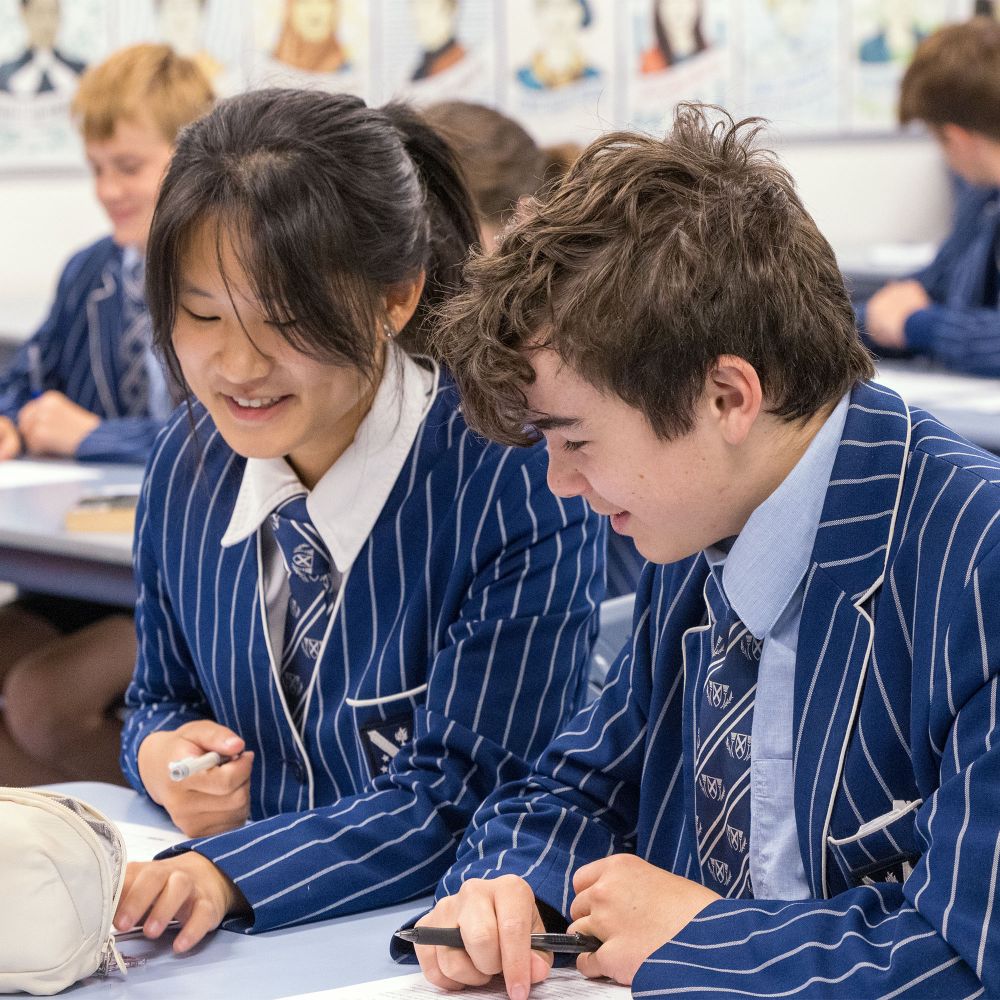
Students studying in the classroom.

Latest Well-Being Reads

Practical insights, reflections, and guidance from the St Andrew’s well-being team

St Andrew's College Preparatory School student drawing.

Engagement: Helping Young People Find Their Focus

St Andrew's College student smiling

Positive Emotion: The First Pillar of PERMA‑V

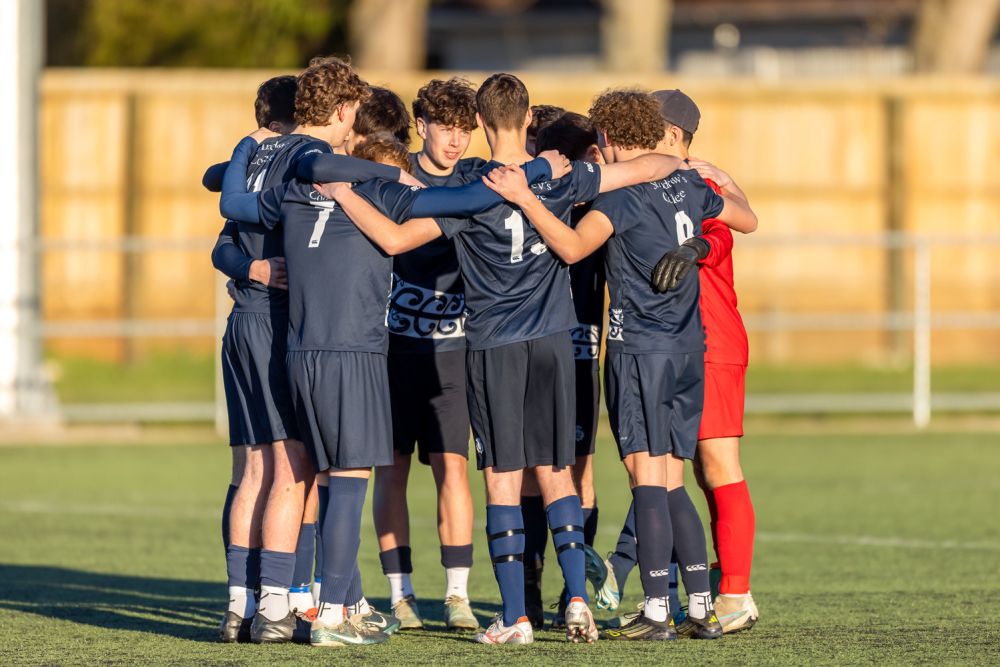
A group of St Andrew's College students playing football

Why PERMA-V Matters in Sport

Meet the wider Well-being Team

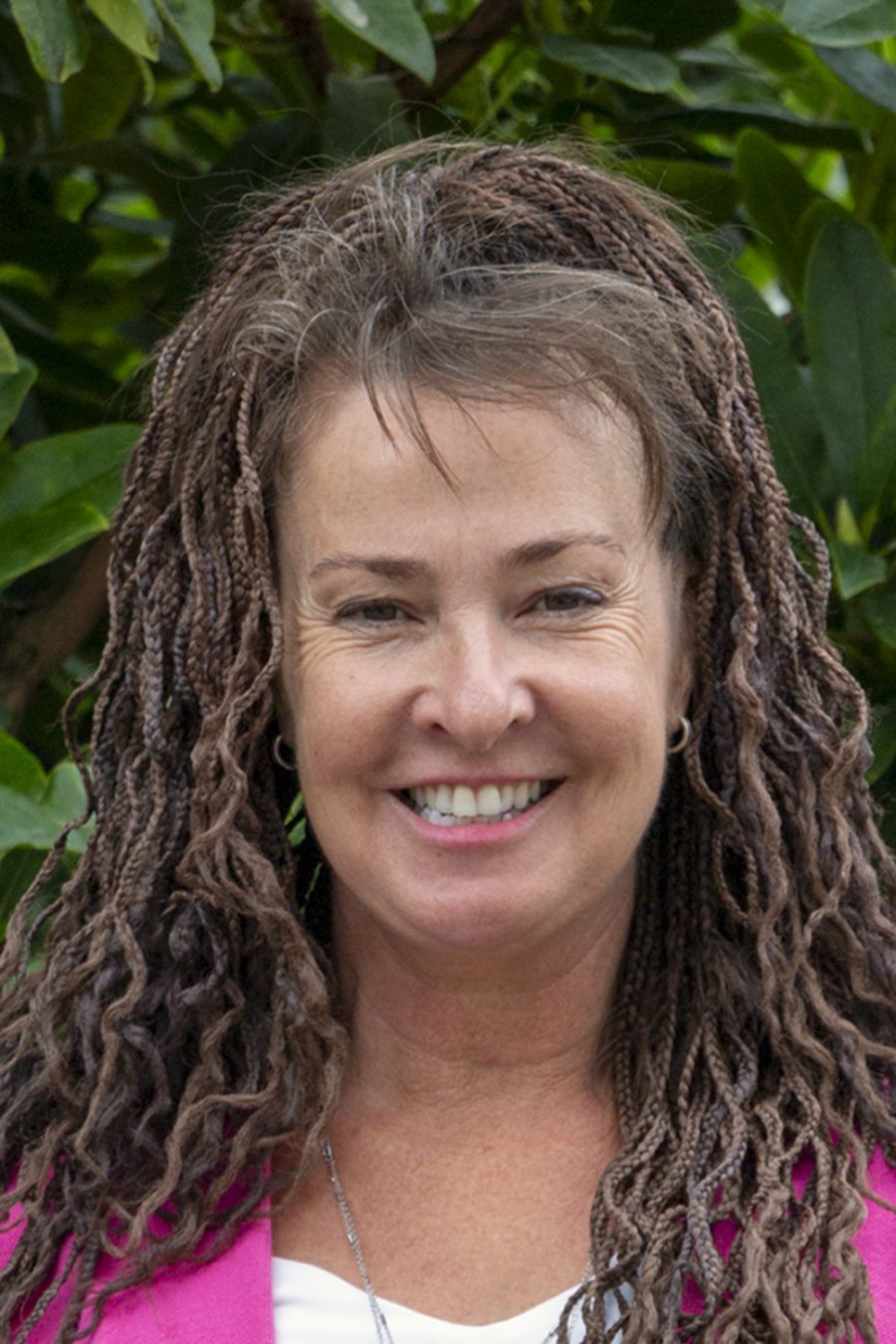
Kerry Larby, Head of Well-being.

Kerry Larby

Head of Well-being

Tom Matthews, Head of Guidance.

Tom Matthews

Head of Guidance

Kate Scott, Psychologist.

Kate Scott

Psychologist

Tarina Stephens

Guidance Counsellor

St Andrew's College Guidance Counsellor, Caroline Sewell

Caroline Sewell

Guidance Counsellor

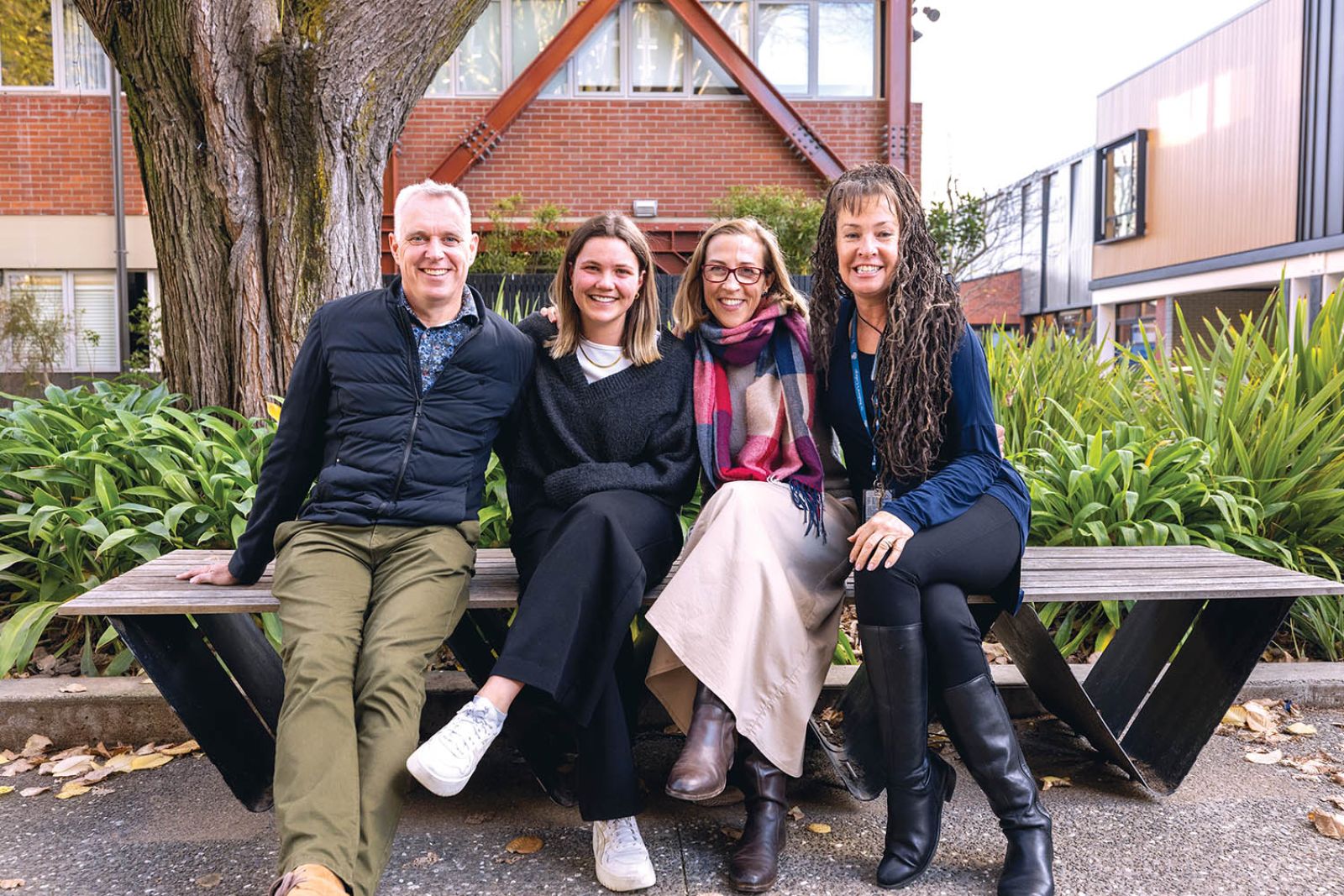
St Andrew's College Head of Guidance Tom Matthews, youth worker Mikeely Jones, Phychologist Kate Scott and counsellor Tarina Stephens.

"The world can be a complicated place for teenagers, but together, we can help them navigate it."

Tom Matthews

Head of Guidance

At St Andrew’s, well-being is not an add-on to school life. It is part of how students learn, grow, and build the confidence, resilience, and self-understanding they need for what comes next.